TURNING IDEAS INTO COMPANIES
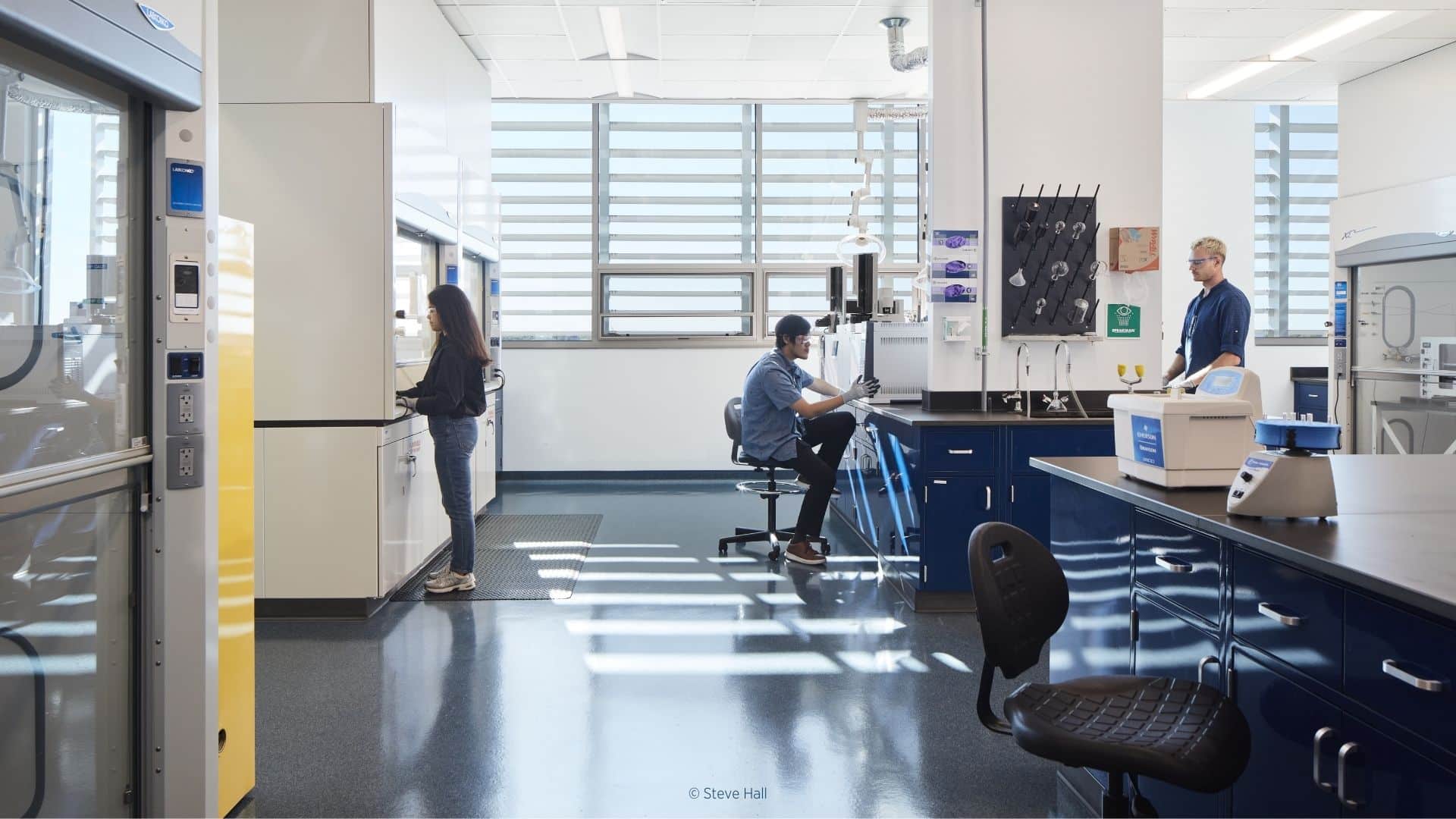
Inside a lab, innovation can feel both exciting and uncertain. But for KU researchers, discovery may only be the beginning. Turning ideas into companies that create jobs, technologies, and growth in Kansas takes more than data—it takes courage, guidance, and a community that believes in what’s possible.
That’s exactly what KU Innovation Park’s Lab2Market accelerator offers. The program provides university researchers with the structure, space, and support to take discoveries beyond the lab by pairing hands-on business guidance with access to tools, experts, and a community built for innovation. Each team learns to see their science through an entrepreneur’s perspective, gaining the confidence and clarity to make impact a part of their research story.
Several research teams from the University of Kansas recently took that step, working to transform academic breakthroughs into startup ventures. Here’s a look at four participants, their research, what they learned, and what comes next.
HuRCures Therapeutics: Rewriting Cancer’s Playbook
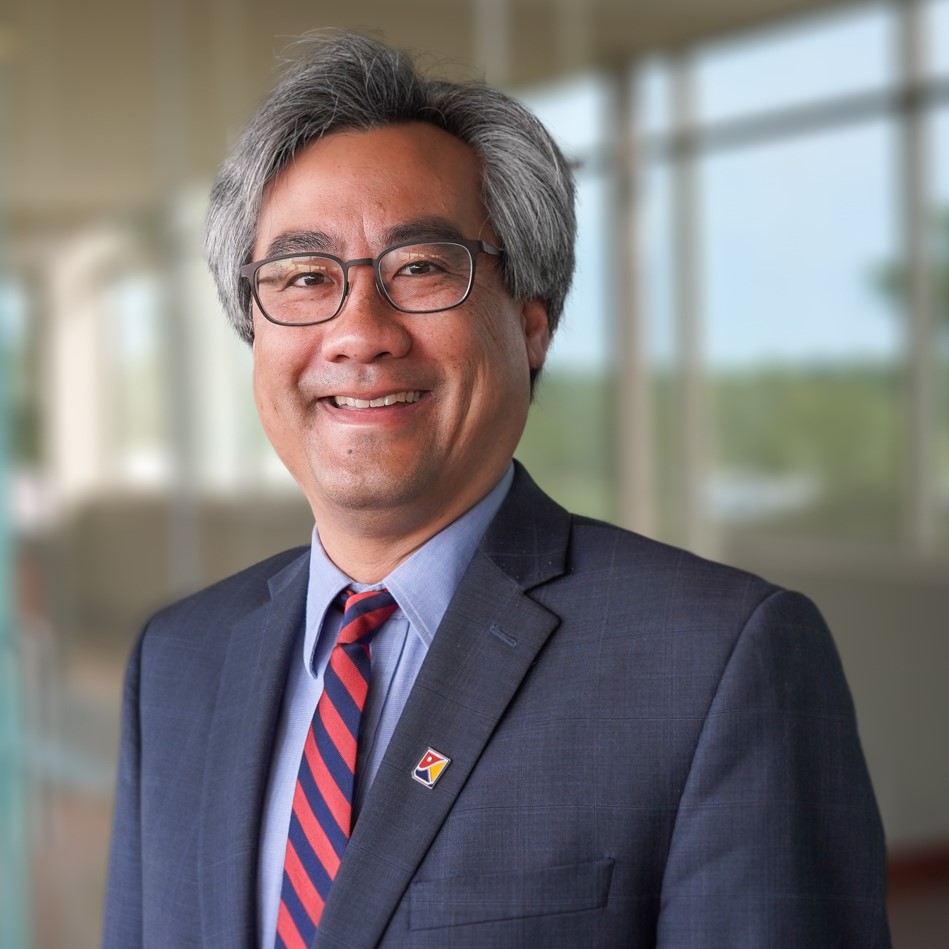
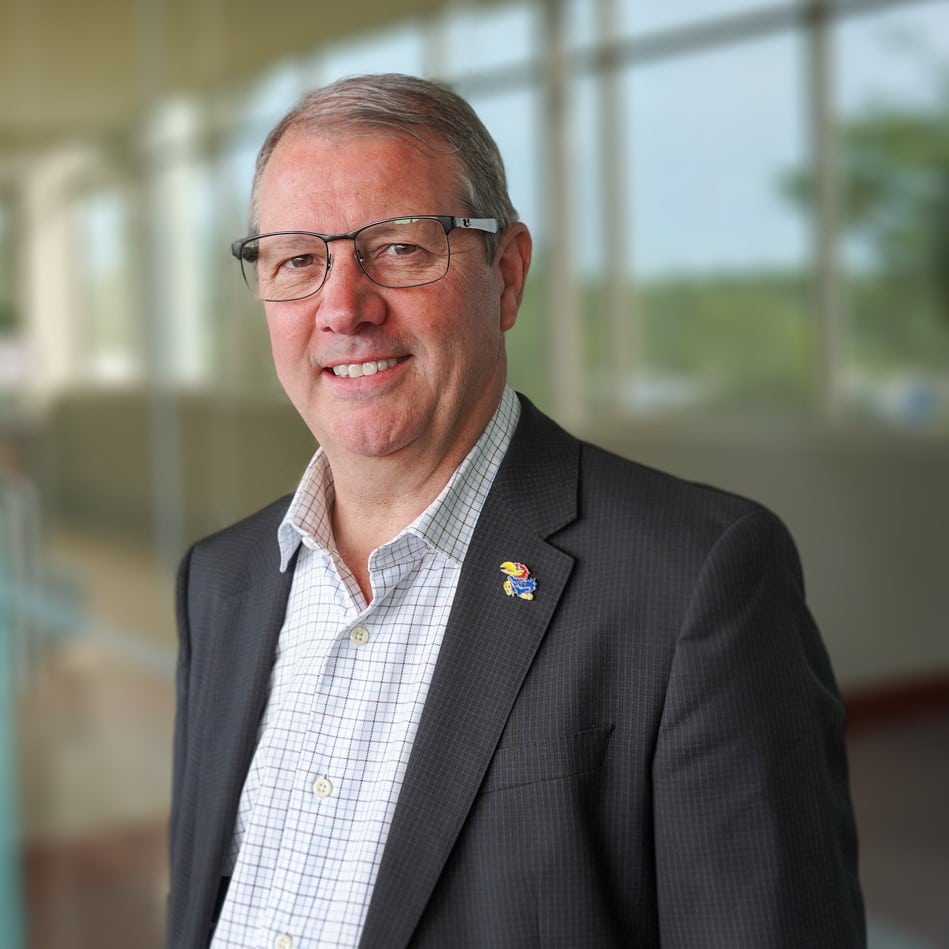
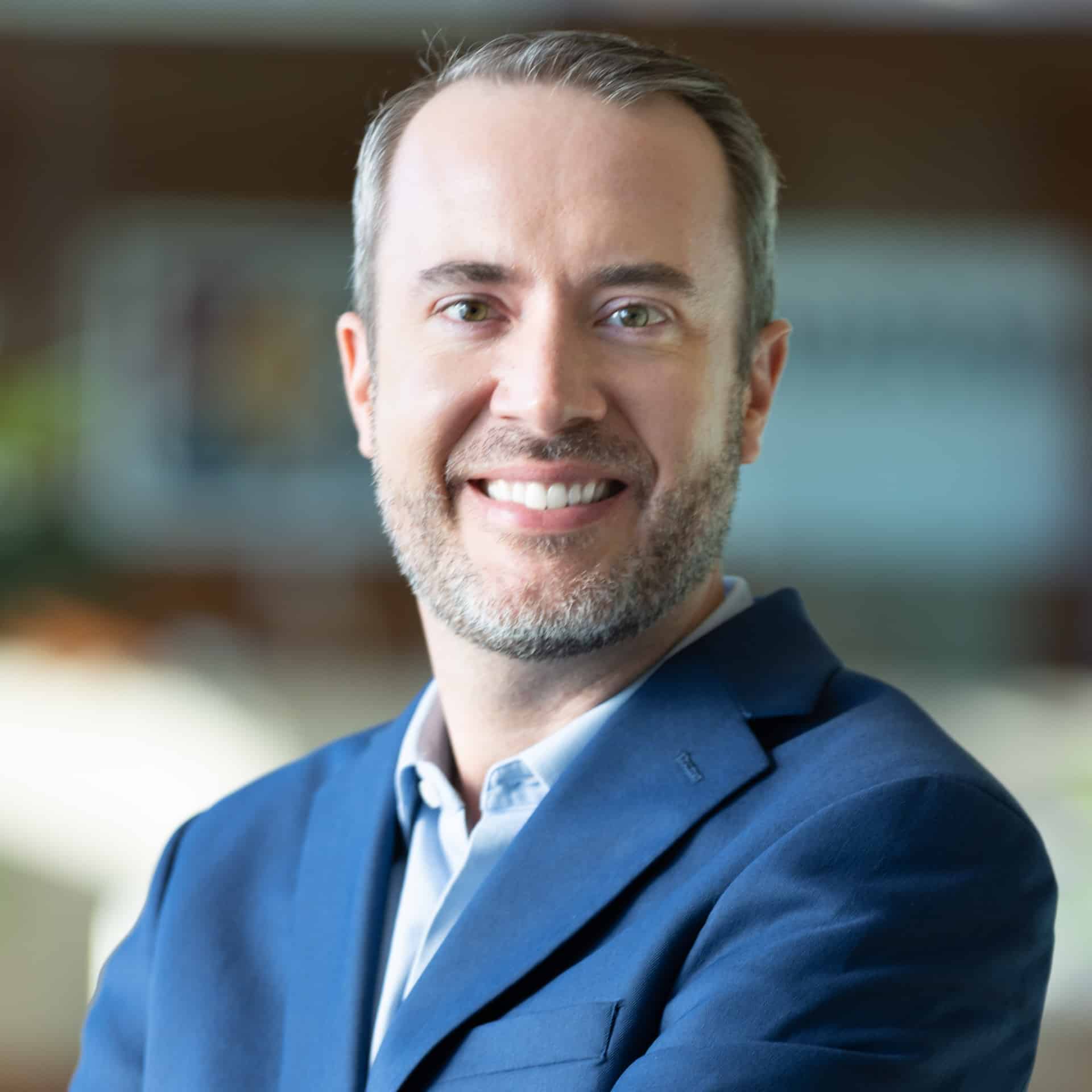
Dr. Liang Xu, professor of molecular biology at KU, is focused on finding hope for people with breast cancer. Some patients, especially those with a more advanced stage of the disease, can become resistant to treatments. Xu and his team discovered a new class of small-molecule inhibitors that block the oncoprotein HuR, a driver of chemoresistance and immune resistance in cancer. He takes cancer drug discovery personally, attending breast cancer fundraisers and talking with survivors. “Each of them has a unique life story,” Xu said. “As a scientist, we need to find hope.”
That hope led him to establish HuRCures Therapeutics. Xu admitted the business side was unfamiliar territory. “Having no experience in the business side, this was an eye-opening experience for me,” he said. “I really learned a lot and tried to understand all those terms. I feel fortunate to have this [program].”
Through Lab2Market, Xu built that understanding. “Now we can work with the business team for advanced drug development,” he said. “Hopefully, within a few years, with small business grants and venture capital investment, we can quickly move our discovery into clinical trials for women with breast cancer.”
OcuJunction Therapeutics: Fast Relief for a Silent Threat
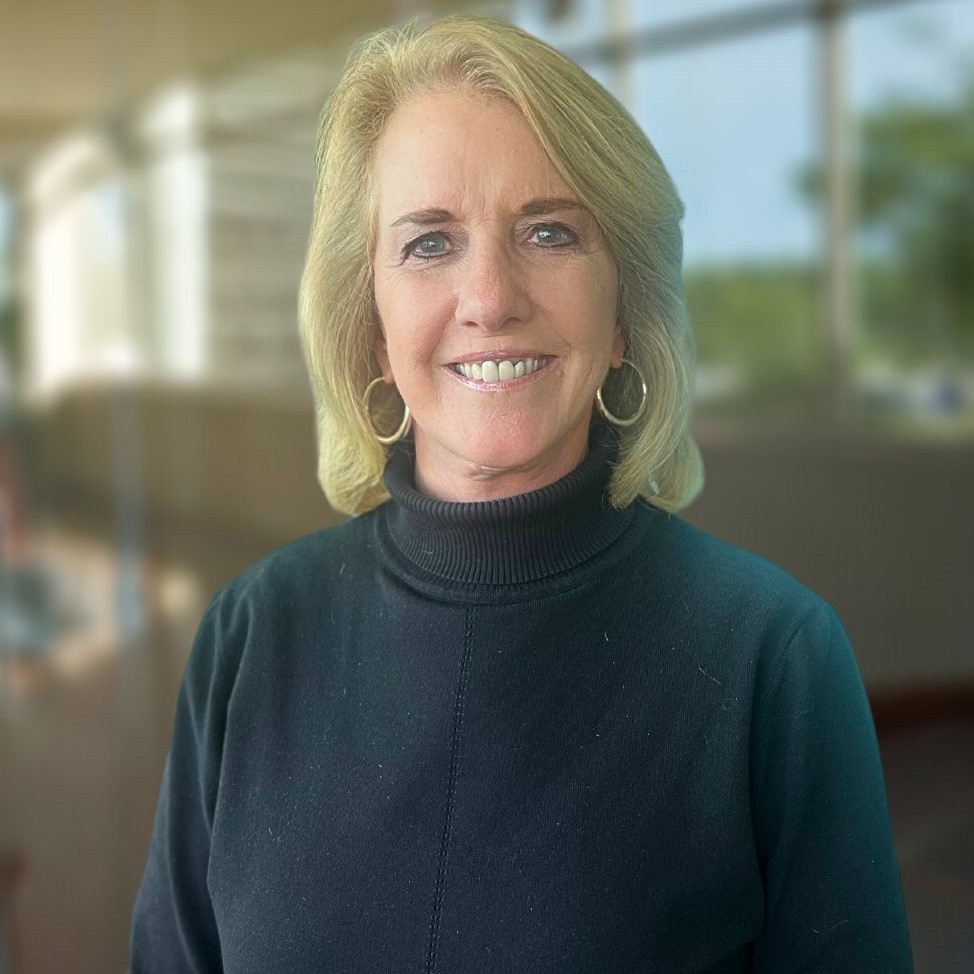
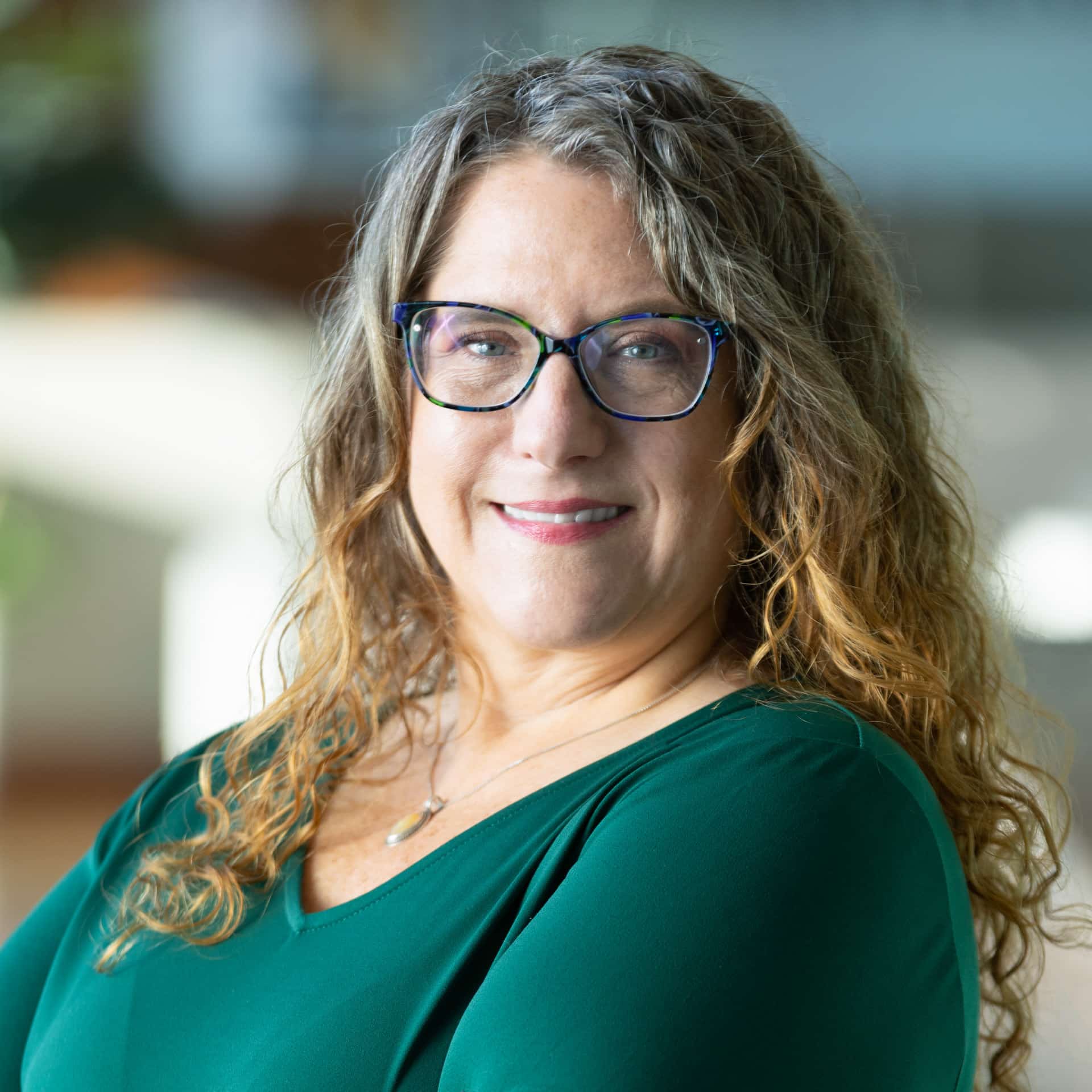
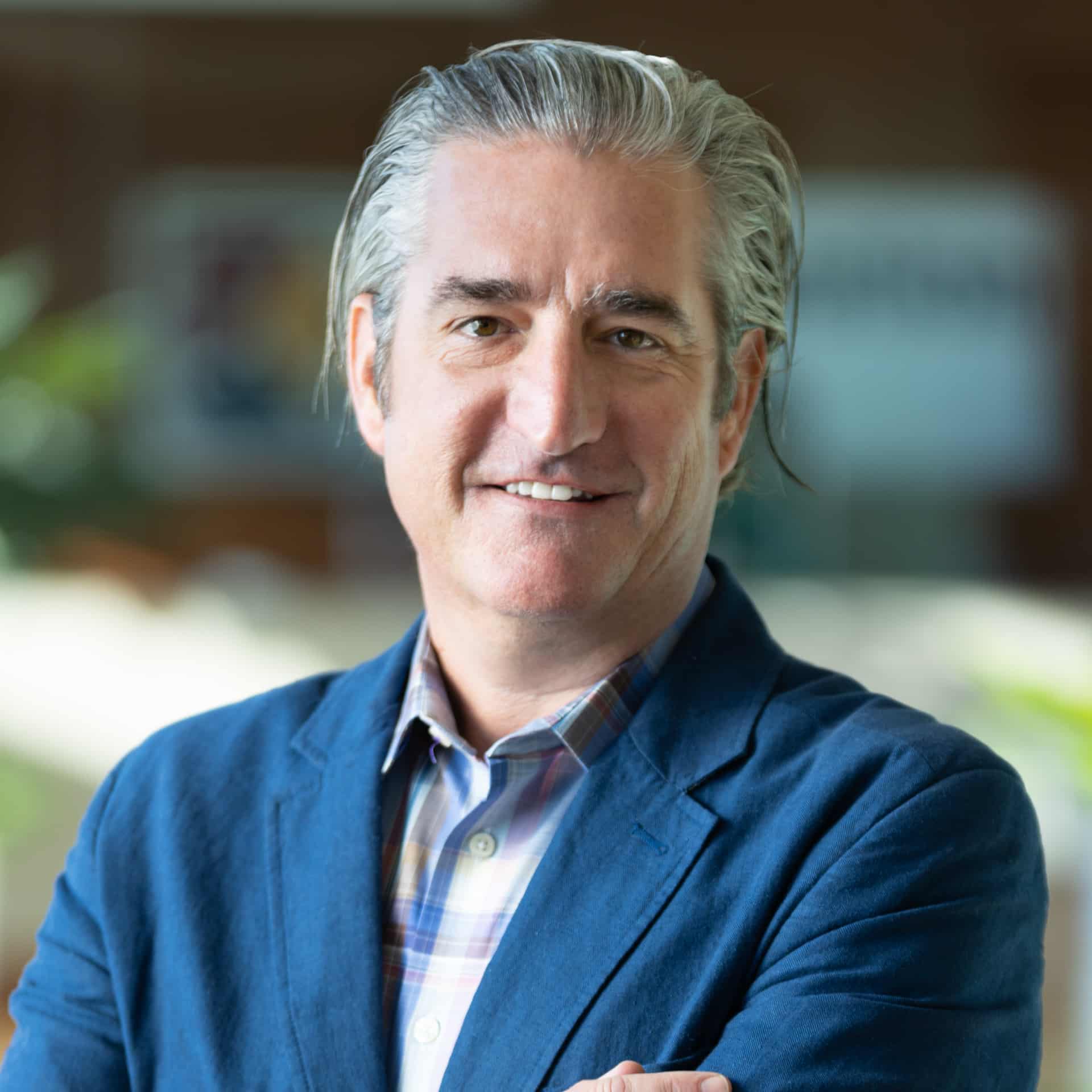
For Dr. Michael Wang, a professor of pharmaceutical chemistry, Lab2Market provided the push he needed to act on years of research. “I had this idea of forming a company based upon the research that I do in my lab,” Wang said. “It’s been years, but I never acted on it.”
That idea became OcuJunction Therapeutics, developing peptide-based treatments for glaucoma and macular degeneration. Ocular hypertension—a rapid rise in eye pressure that can cause permanent vision loss—is a medical emergency. Wang’s peptide therapies act faster than existing drugs, offering the potential for life-changing intervention when minutes matter. “We have peptides that we’re developing right now to lower ocular pressure to treat glaucoma, and we also use additional peptides to test delivering therapeutic monoclonal antibodies to the back of the eye to treat macular degeneration,” Wang said.
Participation in Lab2Market altered Wang’s perspective on translating scientific discoveries into business. “A lot of things that I wasn’t thinking about before becoming part of the accelerator cohort got me to think in terms of intellectual property, in terms of capital, how we should approach venture capitalists, and how you want to fund your company,” he said.
SteroCore: Rethinking Hormone Therapy
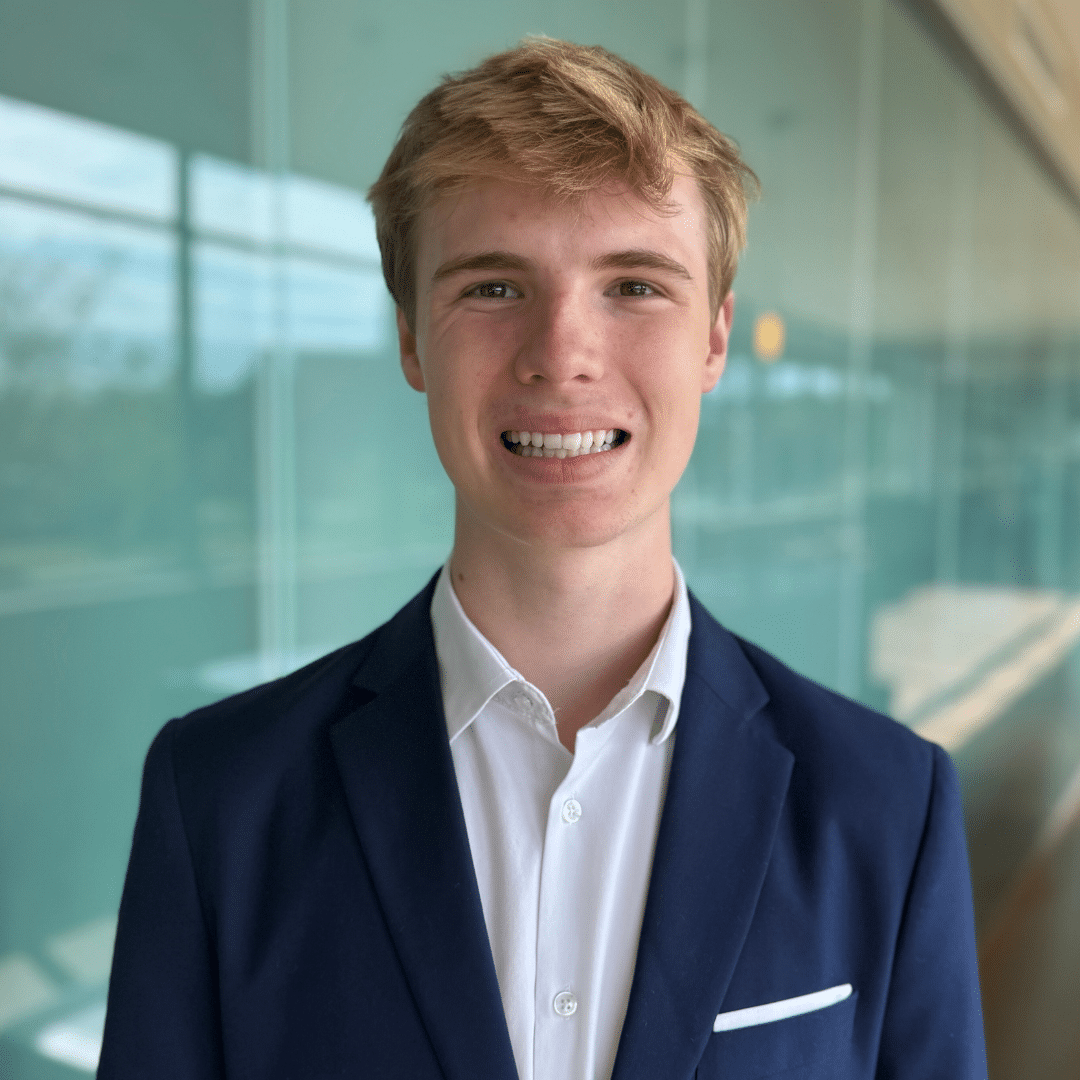
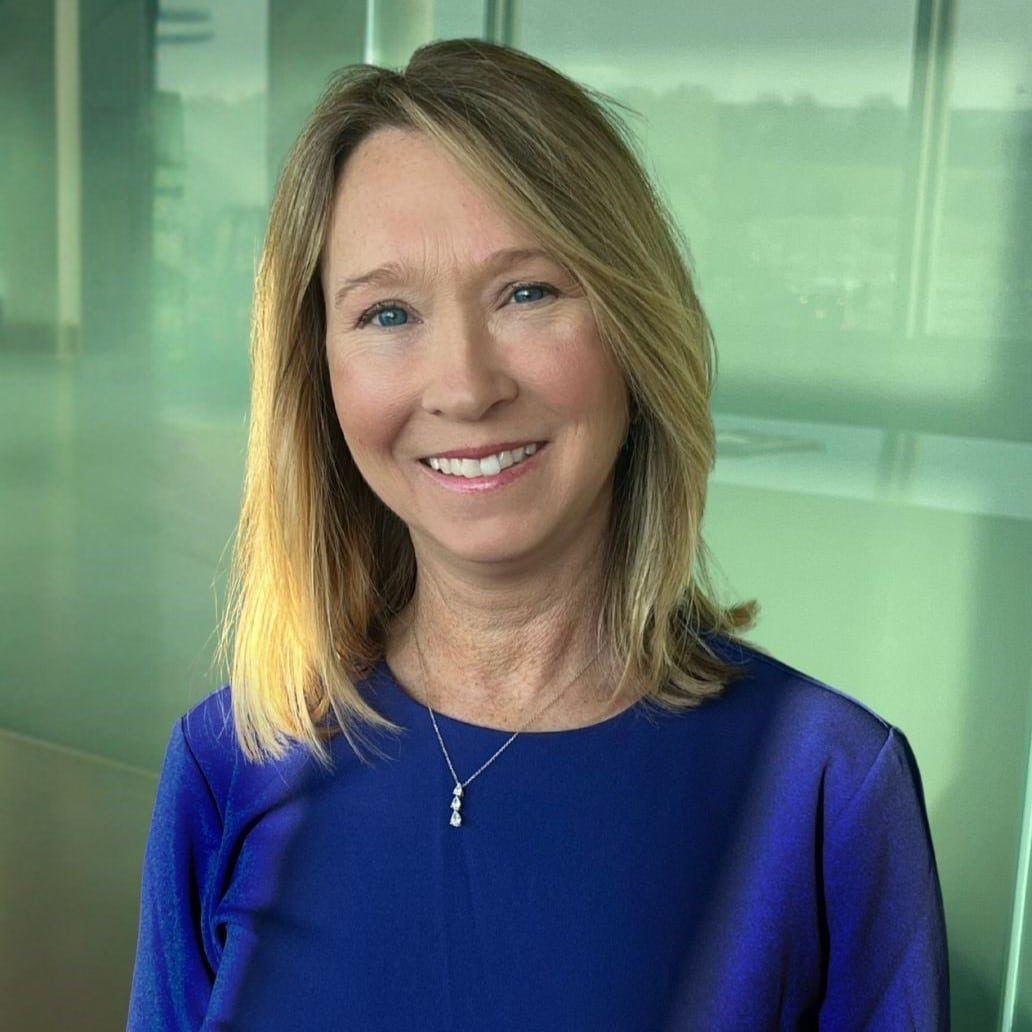
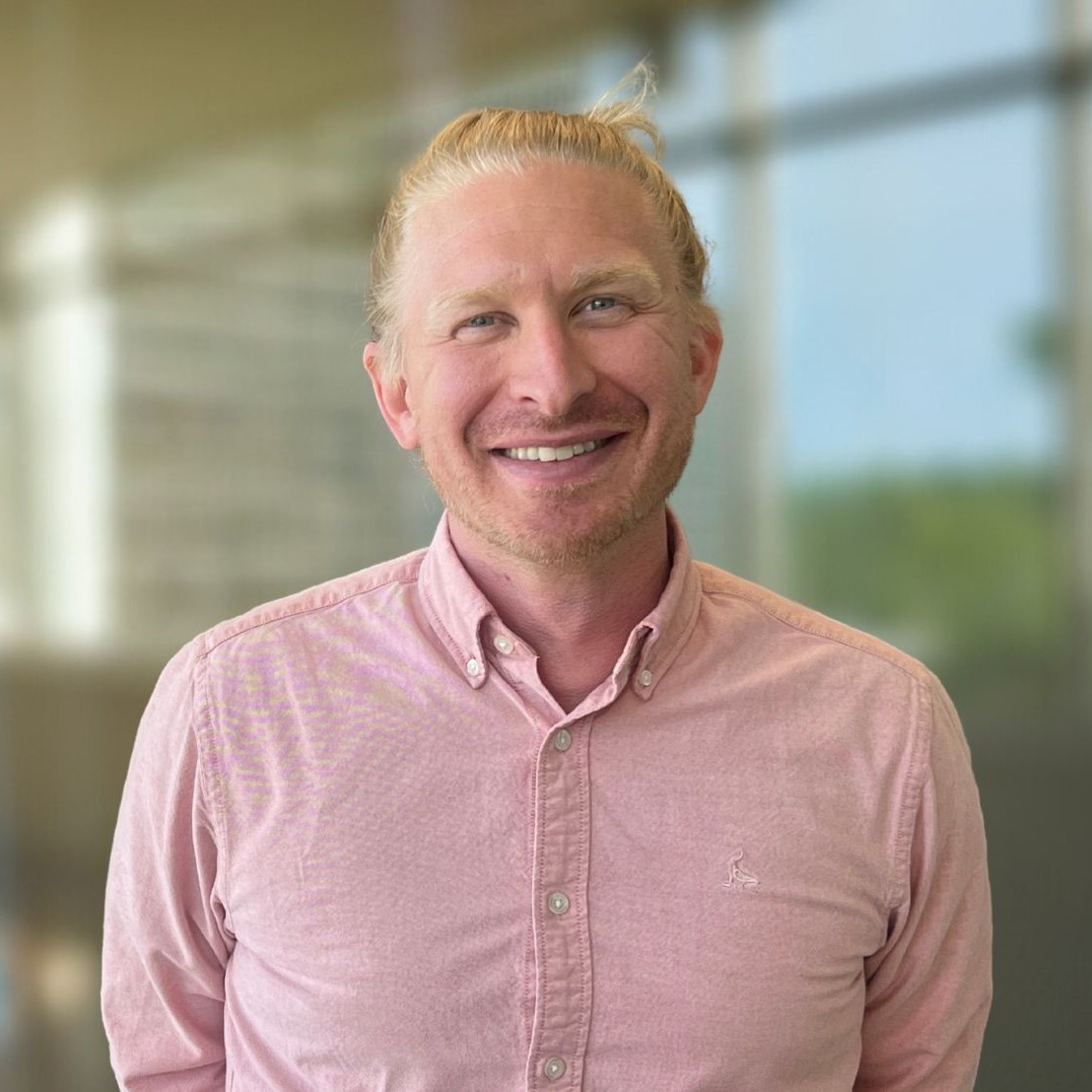
Yezan Salamoun, a Pharm.D. and doctoral researcher at KU, saw a clear problem with current testosterone replacement therapies. “SteroCore works to develop an oral testosterone prodrug,” he said. He described their lead candidate, STC-101, as “an inactive molecule delivered orally and activated by the liver into active testosterone.”
Salamoun noticed that patients don’t like injectable or transdermal testosterone therapies. “Ideally, you’d have an oral product for everything,” he said. “That’s the gold standard.”
Lab2Market provided the team with a framework for pursuing that goal, along with a sense of connection. “You see other people that are like-minded, and you sort of build this community,” he said. “I really enjoy the Lab2Market accelerator because we’re in person for most sessions. Building that community, that’s how people succeed.”
VOISS: Teaching Social Skills Through Virtual Reality
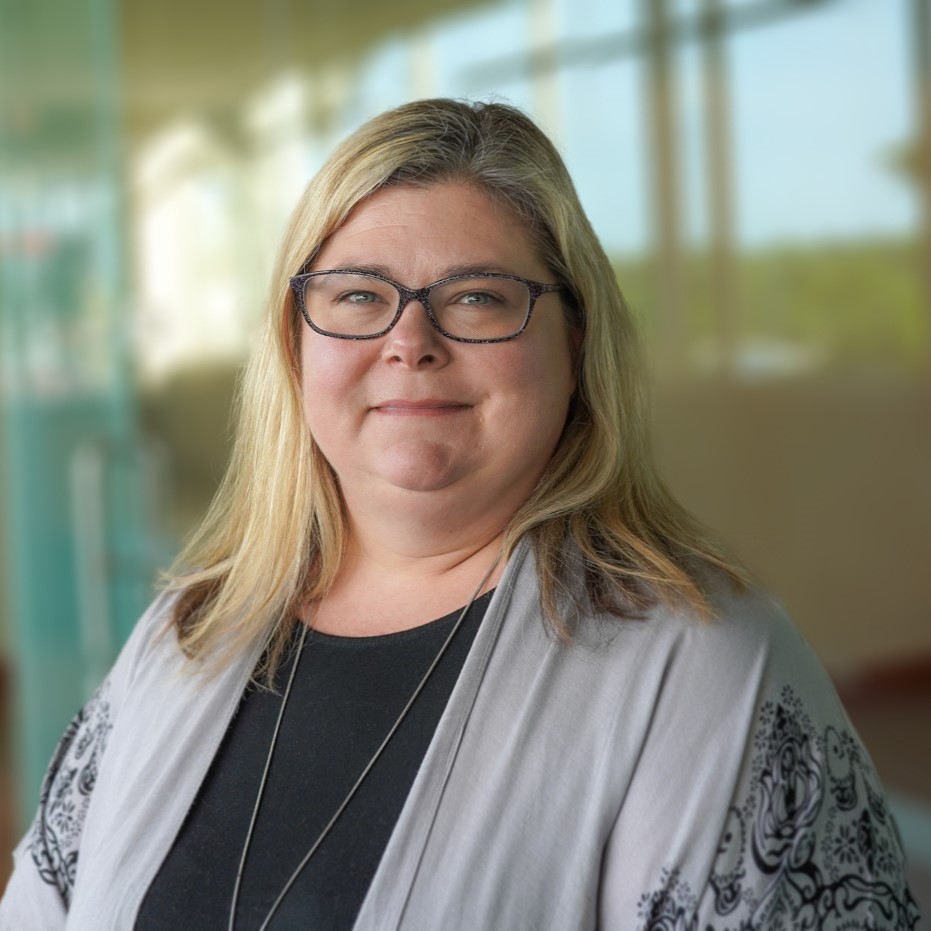
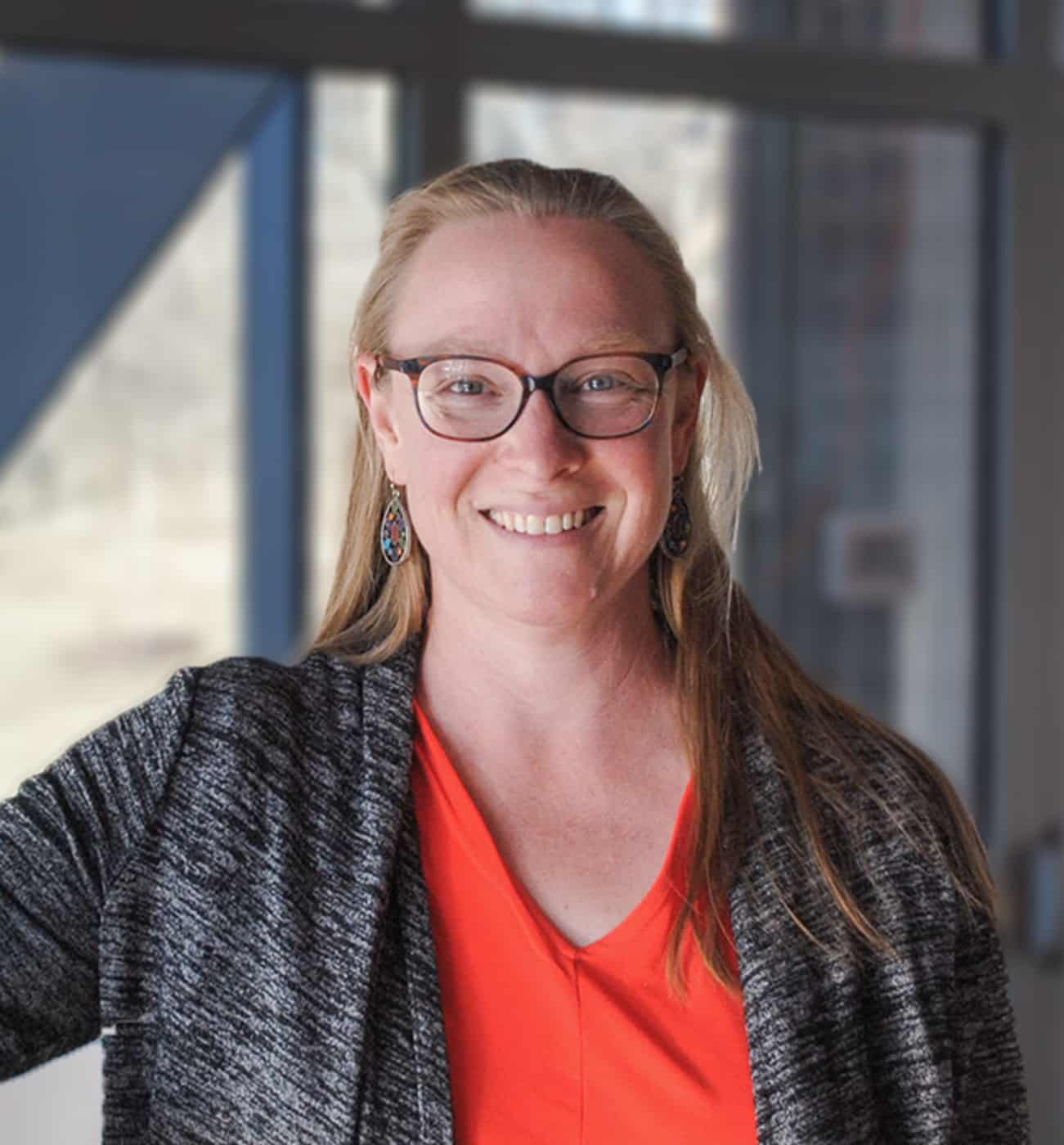
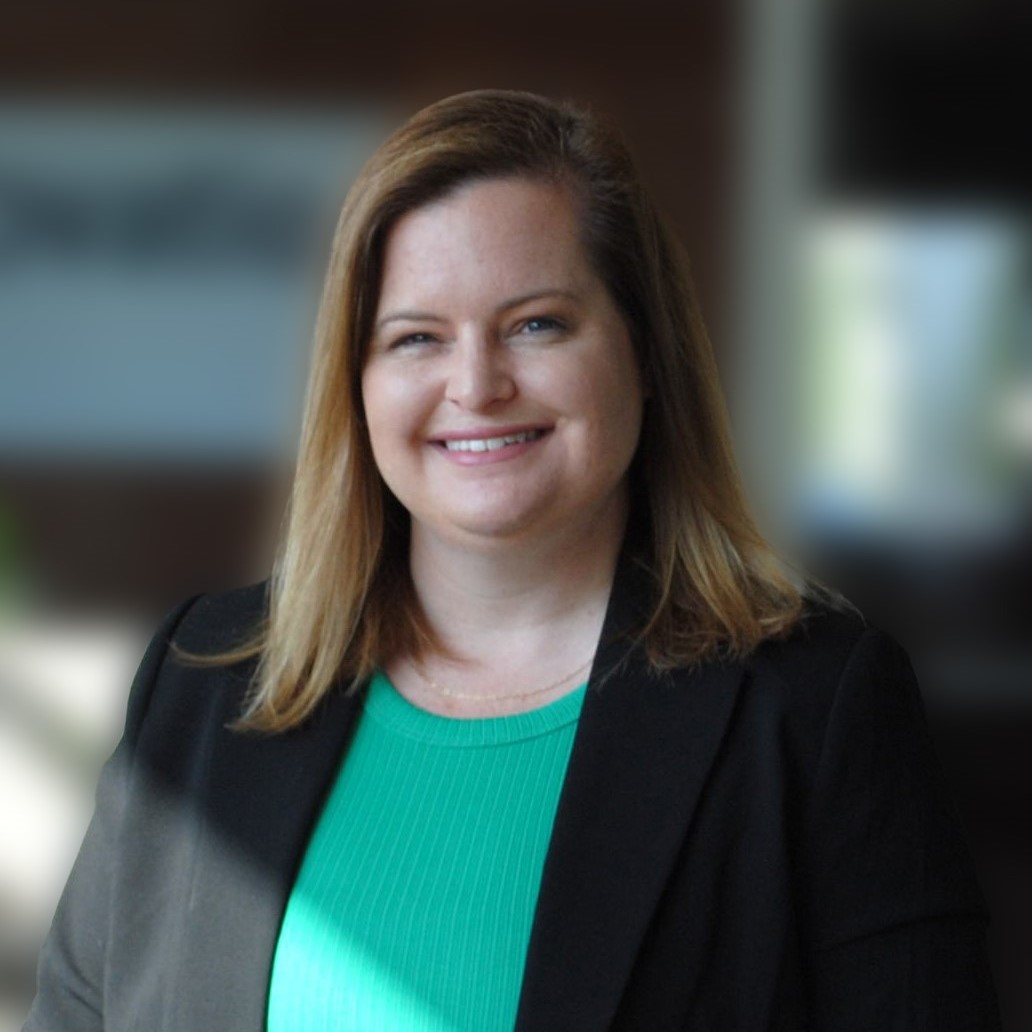
Innovation at KU naturally extends into education. Dr. Amber Rowland, associate research professor at KU’s Center for Research on Learning and the Achievement and Assessment Institute, is co-founder of VOISS. This virtual reality platform enables middle school students to practice social and communication skills in a safe and immersive environment.
Paul Epp, COO of VOISS, described the platform as “a virtual-reality-based tool for teaching social skills to anyone who needs them, primarily kids in the middle-school age range—especially useful for kids who have autism.”
Rowland and her colleagues entered Lab2Market to move their research toward commercial readiness. “As researchers, we’re in development mode all the time,” Epp said. “You have to be able to step out of that.” The team went through what he called the “nuts and bolts of company formation”—decisions about personnel, timing, and sequence that, as he put it, “can be very scary.”
That work is paying off. What began as a KU research project is now reaching classrooms nationwide, helping students practice essential life skills through immersive learning technology developed right here in Kansas.
Perks of the Park
Each of these founders arrived at KU Innovation Park with ideas in motion and left with a clearer path to impact—companies and concepts refined for real-world success. That transformation is one piece of the Park’s purpose. Its Lab2Market accelerator provides KU researchers with the structure, resources, and community to transform ideas into startups that thrive and grow in Kansas.
Part of the Park’s mission is to support the commercialization of KU research, leveraging the state’s public investment in discovery to help turn it into new companies, jobs, and technologies. Early-stage startups formed through programs like Lab2Market can make a home in Park space, receive tailored business support from professional staff, and gain access to equipment, connections, and investor networks that would otherwise be out of reach.
That incubation model creates measurable economic returns. KU Innovation Park is where proof-of-concept becomes proof-of-business, anchoring high-value companies that hire locally and attract private investment to Douglas County. It’s also where KU talent stays—scientists, engineers, and entrepreneurs who might otherwise leave the state find a place to build their companies and careers.
By design, the Park supports the earliest, riskiest stages of entrepreneurship—the part of the innovation pipeline that turns raw ideas into viable businesses. The early stage is demanding and uncertain, but it’s also where economic impact begins. By supporting that work, the Park turns KU discoveries into companies that grow in Kansas and contribute to the region’s future.