By Mindie Paget, KU Office of Research
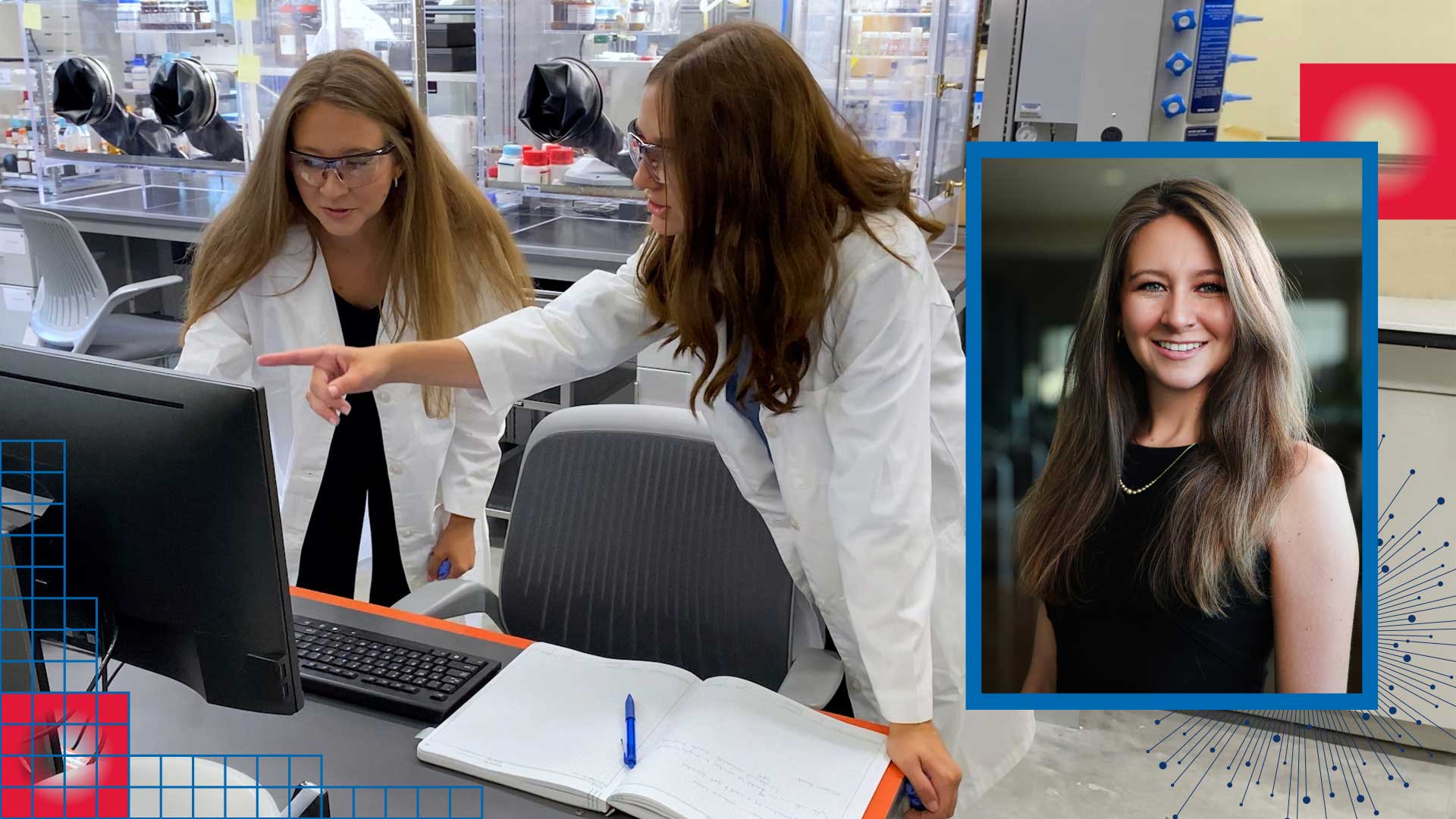
In a University of Kansas engineering research lab, Kalin Baca found the spark that kindled her career as the CEO of a trailblazing Kansas engineering company that is transforming the worldwide refrigeration industry.
Although Baca’s company is anything but typical, her career path is shared by thousands of people across the Sunflower State.
A recent report from the Institute for Research on Innovation & Science shows more than 7,000 KU research-funded employees leveraged their experience to build careers in all 50 states and the District of Columbia from 2011 to 2023 — and nearly 40% found employment in Kansas.
Baca is one of those employees. She co-founded Icorium Engineering with Mark Shiflett, Foundation Distinguished Professor of Chemical Engineering.
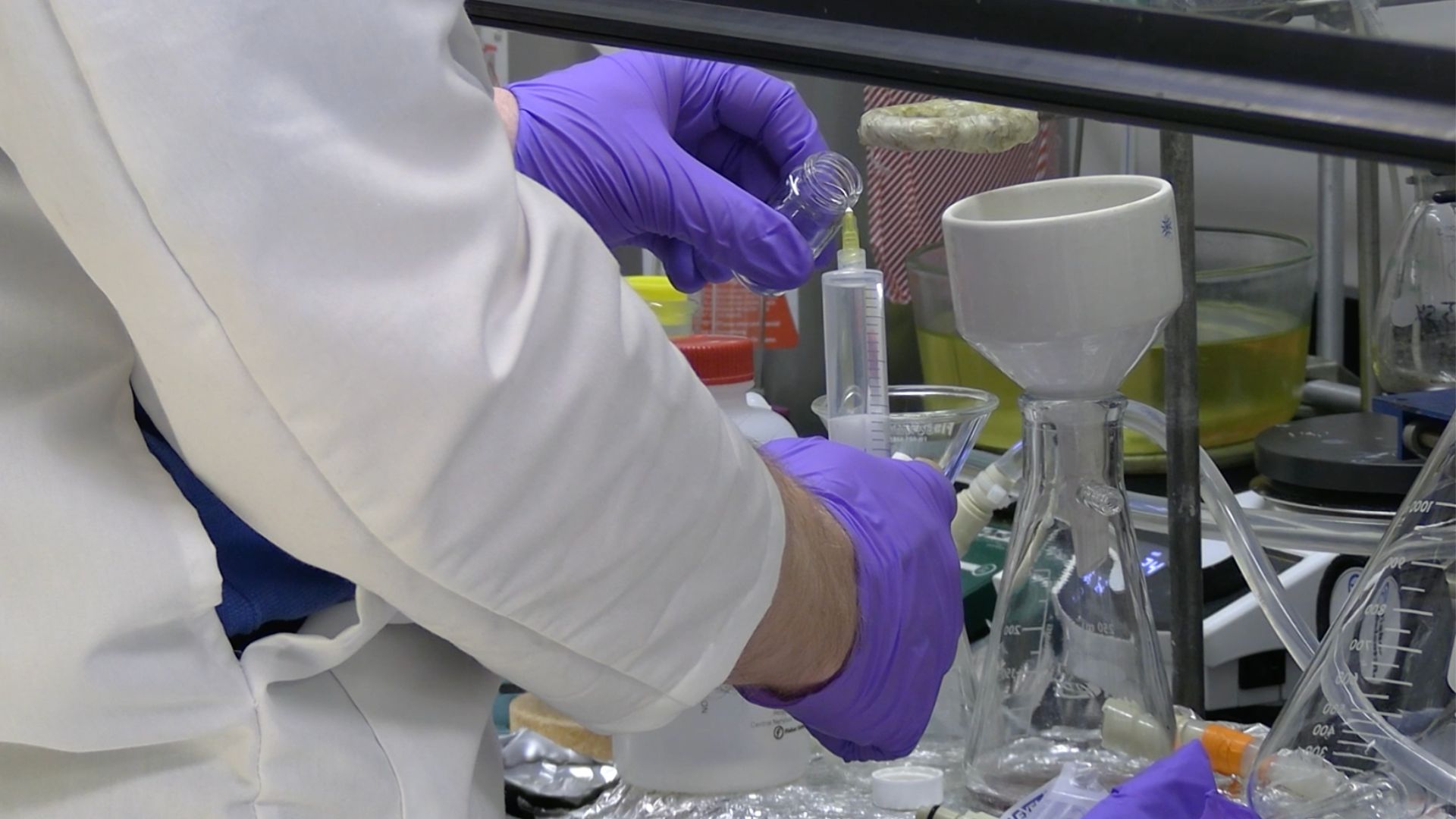
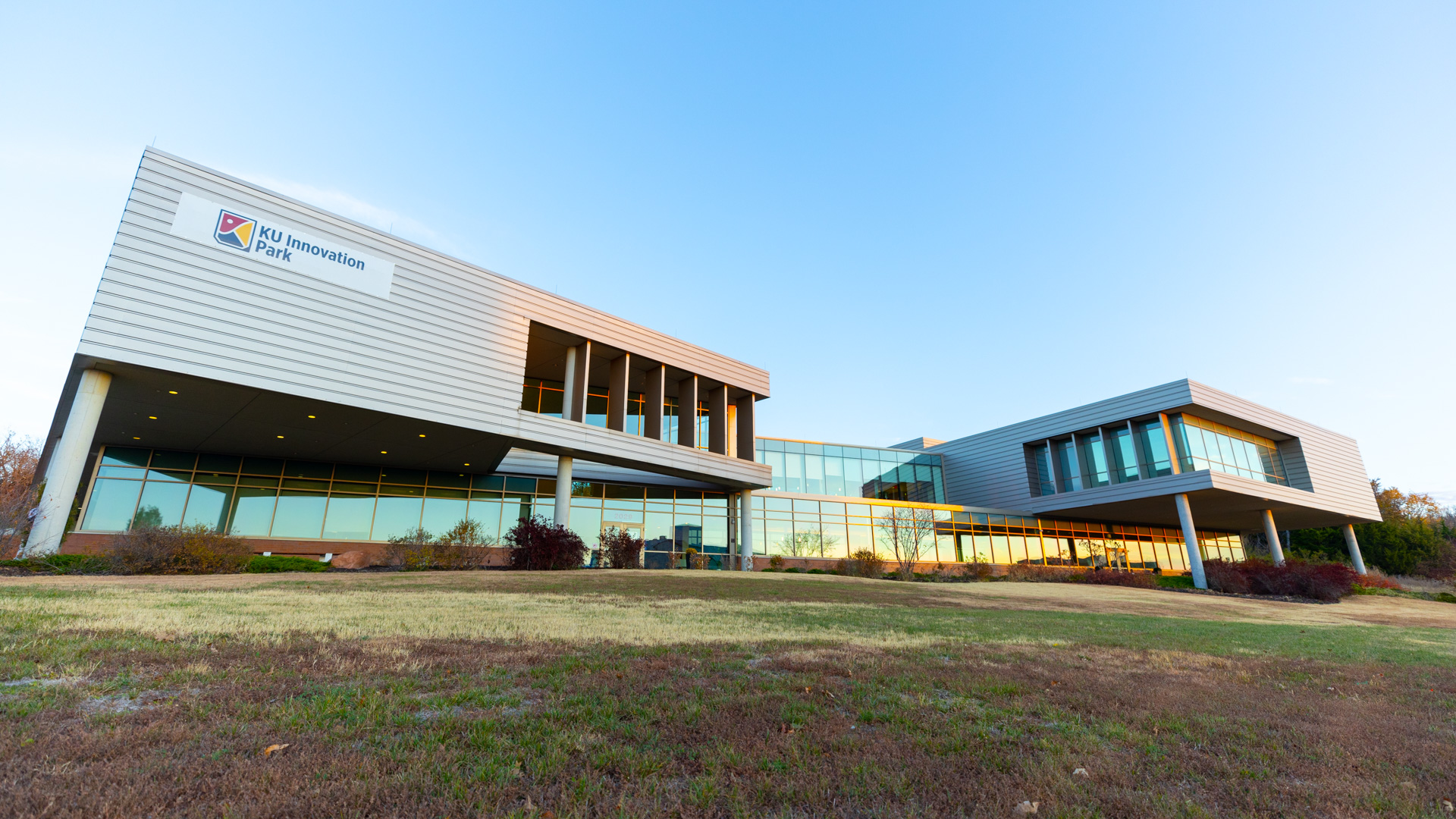
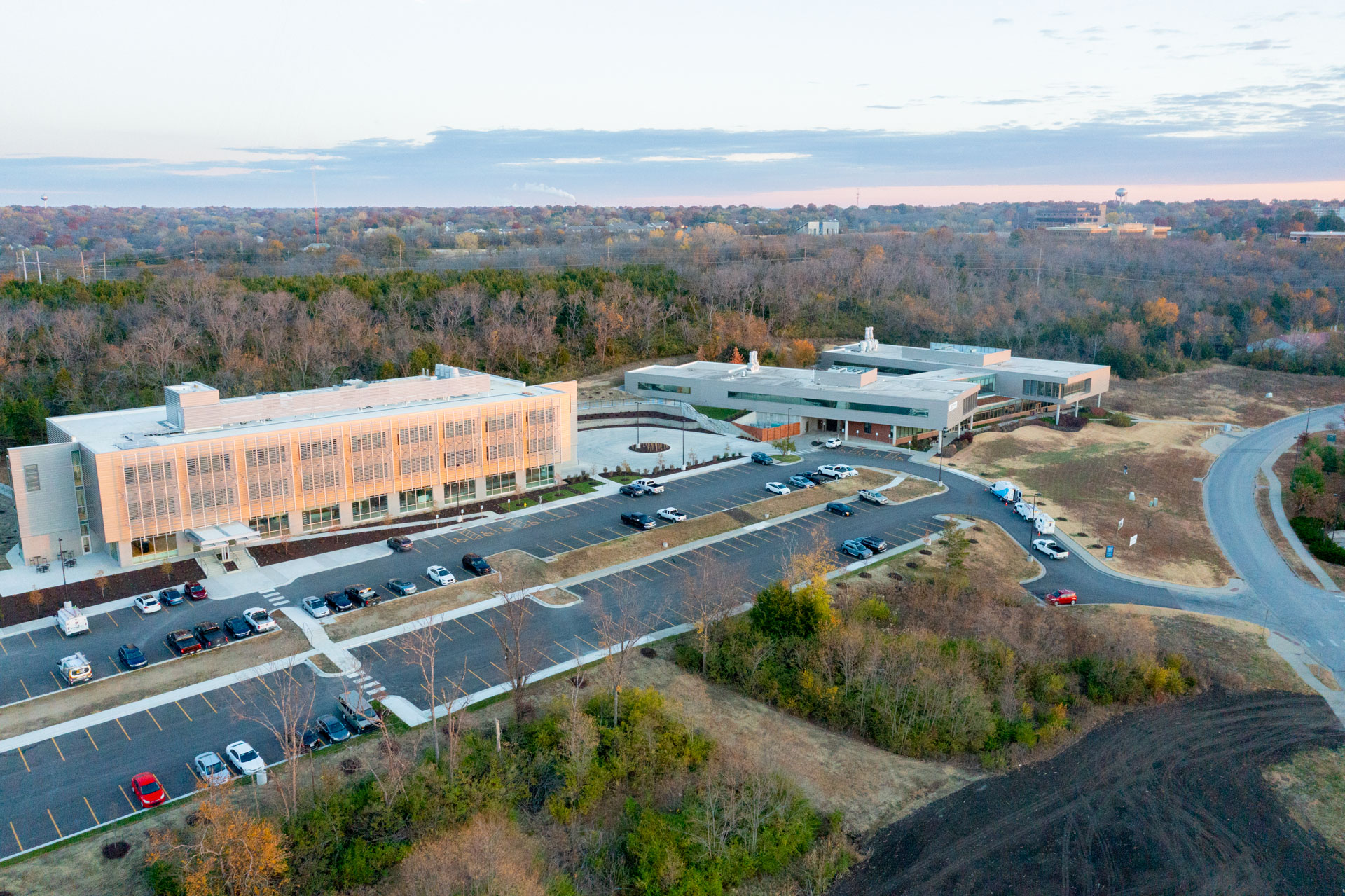
Based at KU Innovation Park, Icorium is commercializing technology that separates refrigerant mixtures used in everything from home air conditioners to commercial chillers and reuses the components in refrigerants and other products — technology that Baca helped develop while studying with Shiflett to earn her doctorate at KU’s School of Engineering.
“KU gave me the mentorship and resources to explore entrepreneurship alongside research,” Baca said. “That support made it possible to co-found Icorium and grow a team of engineers and entrepreneurs tackling real-world challenges.”
Feeding the talent pipeline
Baca is not the only Jayhawk shaping Icorium’s success. Abby Harders, head of research and development, and Luke Wallisch, R&D engineer, also launched their careers from KU laboratories, underscoring the university’s role as a pipeline of talent fueling innovation and entrepreneurship in Kansas.
The IRIS report provides insight into this pipeline, showing the pathways former KU employees take after leaving the university, whether they stay in-state or move elsewhere, what industries they enter, which companies hire them and their earnings.
“We have always known that research experiences foster the kind of skills, discipline, problem-solving and creativity needed for success in any career. This report captures the data behind those stories and demonstrates the scale of KU’s contributions to the economic vitality of Kansas and the nation,” said Shelley Hooks, KU vice chancellor for research. “We’re proud that faculty, postdocs, staff and students formerly employed on KU research grants are helping meet the demand for skilled talent across critical fields like health care, life sciences, engineering, education, information technology and government.”
Many of these former employees are also KU alumni, who hold more jobs in Kansas than the alumni of any other university. They also receive higher earnings and increase the productivity of the businesses that employ them, according to a separate economic impact study conducted by Lightcast. The Lightcast study shows that KU alumni in fiscal year 2023 generated $2.5 billion in added income for the state economy, which is equivalent to supporting 27,560 jobs. More than 7% of KU alumni run or own Kansas companies, and startup companies based on KU technologies — like Baca’s Icorium — added $89.4 million in income to the Kansas economy in FY 2023, which is equivalent to supporting 568 jobs.
Hajar Aghababa, vice president and lead enterprise risk officer in Wells Fargo’s model risk management division, served as a graduate research assistant at KU while earning her doctorate in economics. She analyzed large amounts of data and helped answer important research questions that supported the publications of her faculty mentor, Donna Ginther, director of KU’s Institute for Policy & Social Research.
“That early exposure to data laid the foundation for my career. I draw daily on the discipline and curiosity nurtured at KU,” said Aghababa, who works remotely from her home in Lawrence. “The academic research environment trained me to think critically, collaborate across disciplines and ask the right questions — skills that remain as valuable in financial risk management as they are in academic research.”
Powering innovation
Similarly, Hong Jin, a graduate of KU’s chemical & petroleum engineering program, said her academic research experience laid the foundation for her career in the oil and gas industry. Jin is a business development manager for renewables at AmSpec Group; she previously worked at ConocoPhillips, Phillips 66 and Chevron.
During her time at KU, Jin served as a research assistant in various laboratories and was among the first group of graduate students involved in designing and setting up laboratories at the Center for Environmentally Beneficial Catalysis, under the guidance of Bala Subramaniam, the Dan F. Servey Distinguished Professor of Chemical Engineering.
“The education I received at CEBC in green chemistry and environmental impact assessment has been instrumental in advancing my career across various organizations,” Jin said. “It enabled me to lead climate risk assessment initiatives, support regulatory advocacy efforts, contribute to corporate carbon-reduction strategies, and manage biofuels registrations with federal and state agencies.”
Likewise, former KU Medical Center employees funded by research grants are improving access to care across the state, advancing technologies that drive economic growth and more.
“Whether they’re developing biotech solutions or expanding health care access in rural areas, the skills they gain through research prepare them to lead with purpose in the places that need them most,” said Matthias Salathe, senior vice chancellor for research at KU. “Their efforts strengthen local economies, improve lives and reflect the value of investing in research as a workforce strategy.”
“Universities don’t just produce discoveries, they develop pipelines of skilled people,” said IRIS Executive Director Jason Owen-Smith. “When research-trained employees leave campus, they carry their skills into companies, communities and industries across the country — powering private sector innovation, filling critical roles in STEM fields and starting new businesses. IRIS reports reveal how universities act as vital engines of economic growth by moving people and ideas into the world.”
The report was produced with administrative data supplied to IRIS, a national consortium of research universities creating trusted independent data about the impact of research.
This story was originally published here via KU News.
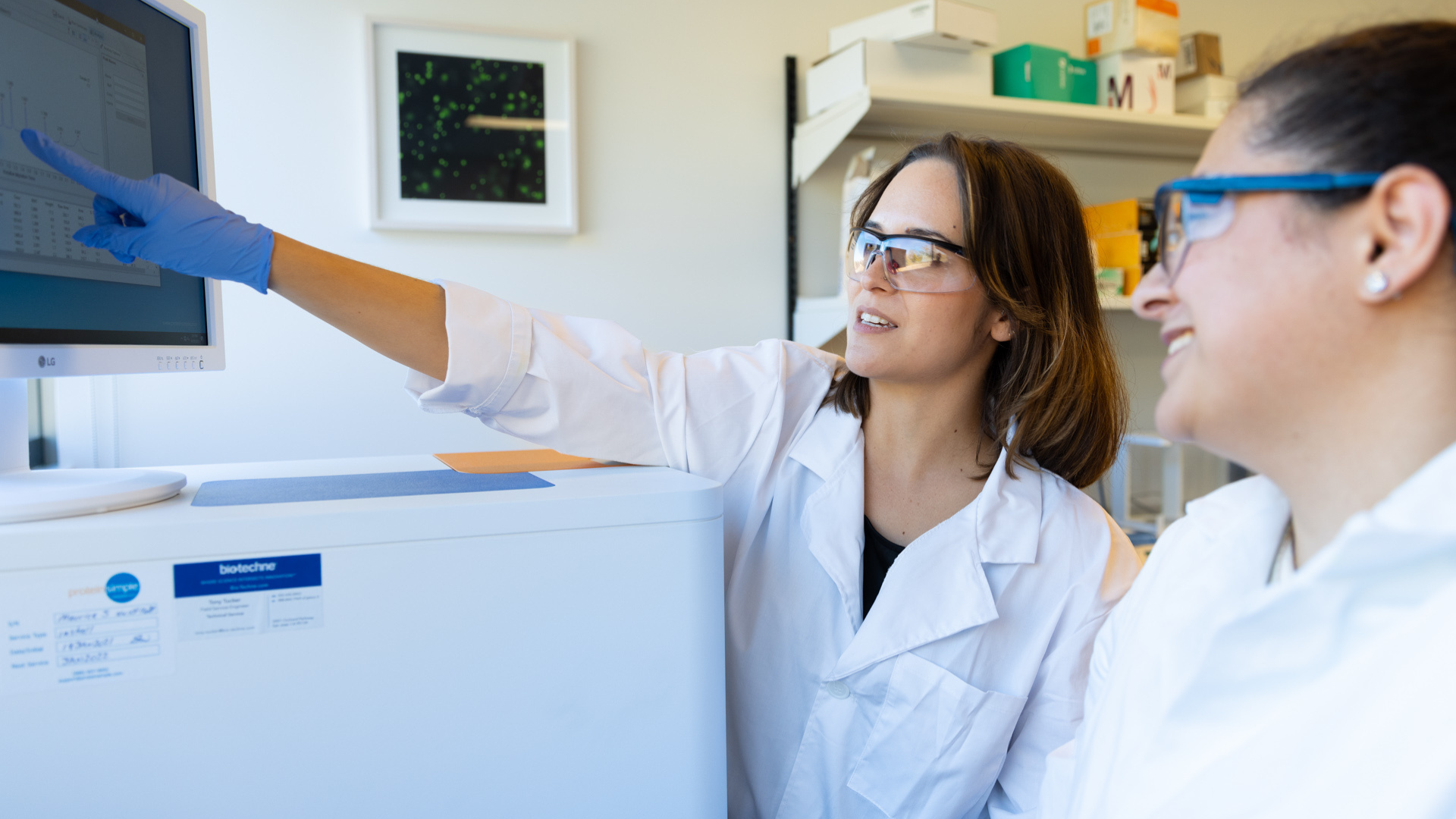
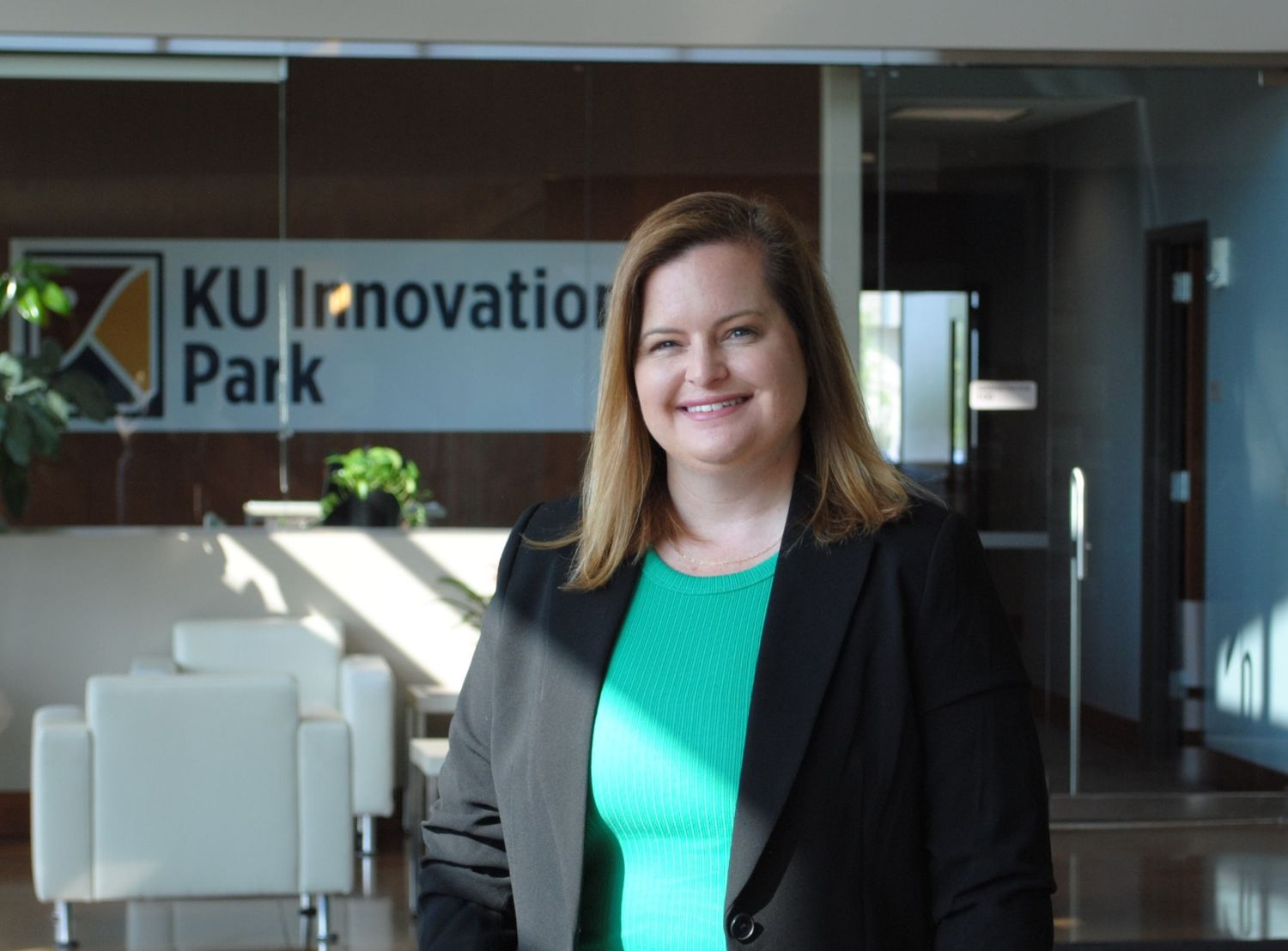
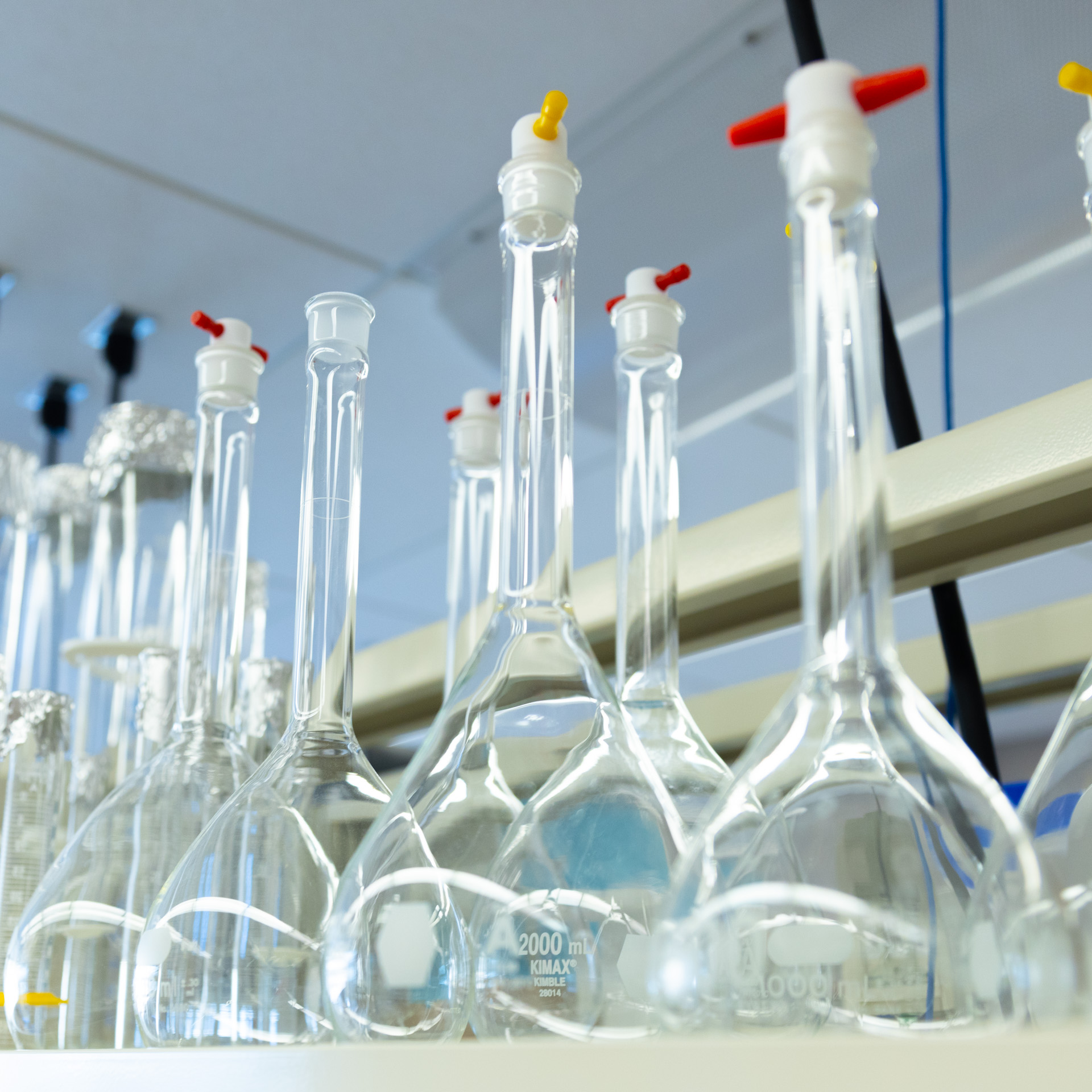
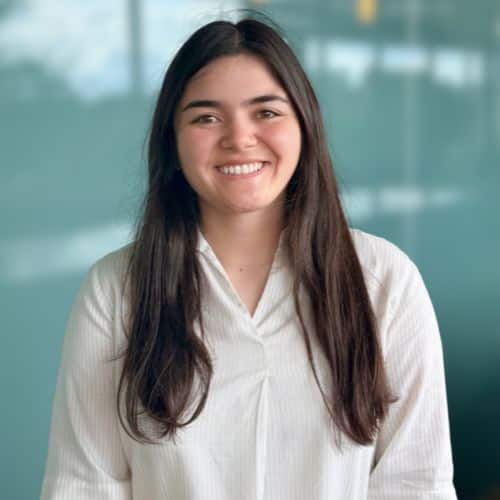
Photo Credit: KU News. Technology that Kalin Baca helped develop as a graduate student researcher is the foundation of a Kansas-based company she later co-founded with Mark Shiflett, Foundation Distinguished Professor of Chemical Engineering. Baca is pictured (at left) in Shiflett’s lab in 2023 and (at right) in a professional headshot for her role as CEO of Icorium Engineering.