By Brian Schneweis
Tiny structures 100,000 times thinner than a strand of human hair have had a big impact on University of Kansas Foundation Distinguished Professor Steve Soper’s career. Now, his team’s work combining engineering, physical sciences and medicine could reveal new clues about diseases and how they develop.
With support from a $4 million National Science Foundation (NSF) Established Program to Stimulate Competitive Research (EPSCoR) Collaborations grant, Soper is leading a team of researchers from Kansas and Louisiana. They are developing nanotechnology that can identify diseases and health anomalies by analyzing the structure of proteins involved in the disease down to the individual amino acid level.
This approach could change how doctors detect, monitor and treat complex diseases, such as the many forms of cancer.
“The instrument we’re developing really creates a paradigm shift in how proteins are analyzed,” Soper said. “This is going to have unique biological capabilities and offer great research opportunities, both on the discovery side, answering questions in basic biology, and the translation side, earlier detection and better therapies.”
When diseases develop, small changes in proteins can serve as important early warning signs. However, studying proteins one molecule at a time has typically required expensive equipment and specialized skills. Soper’s team wants to make this process faster, more affordable and widely accessible.
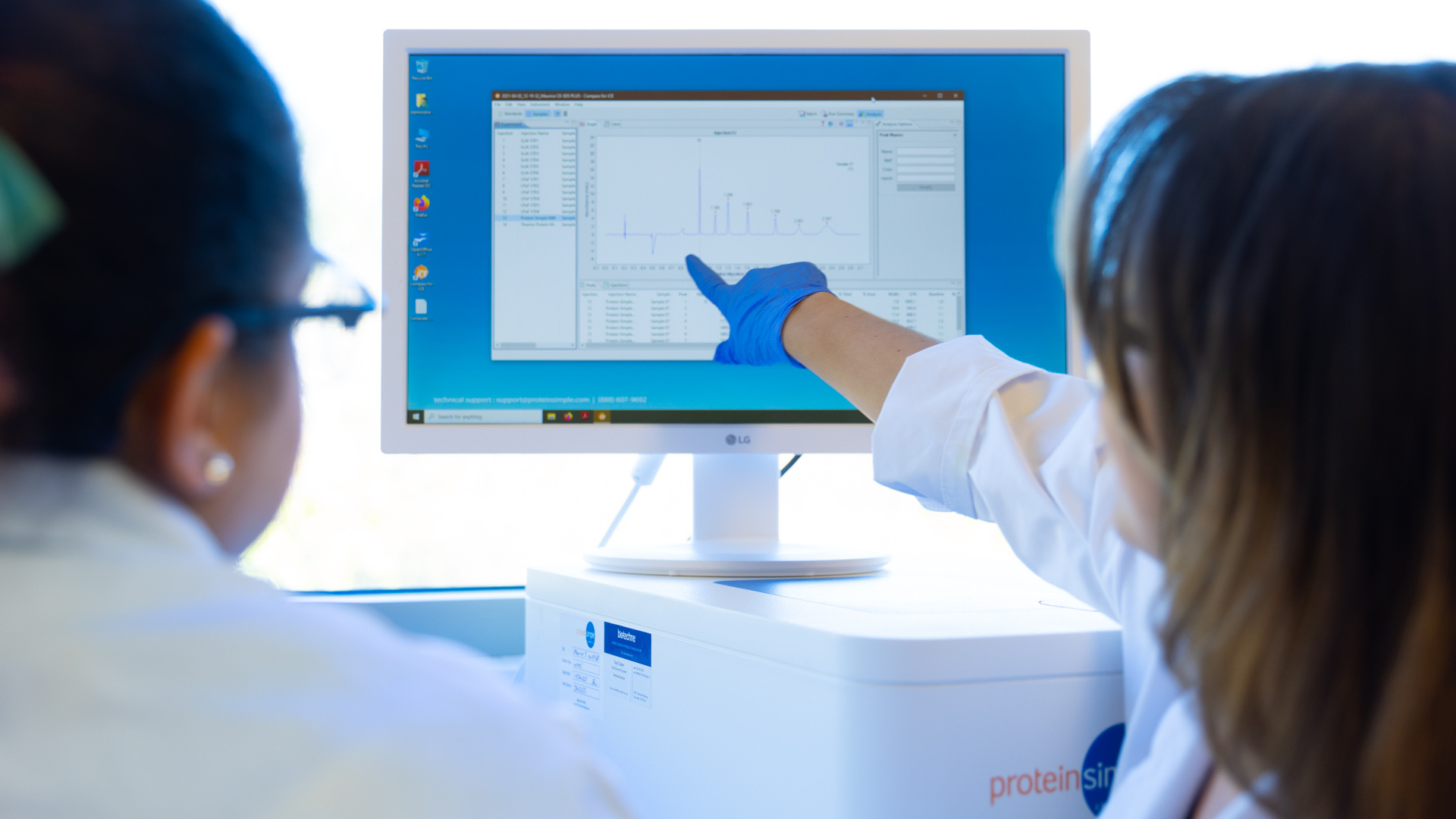
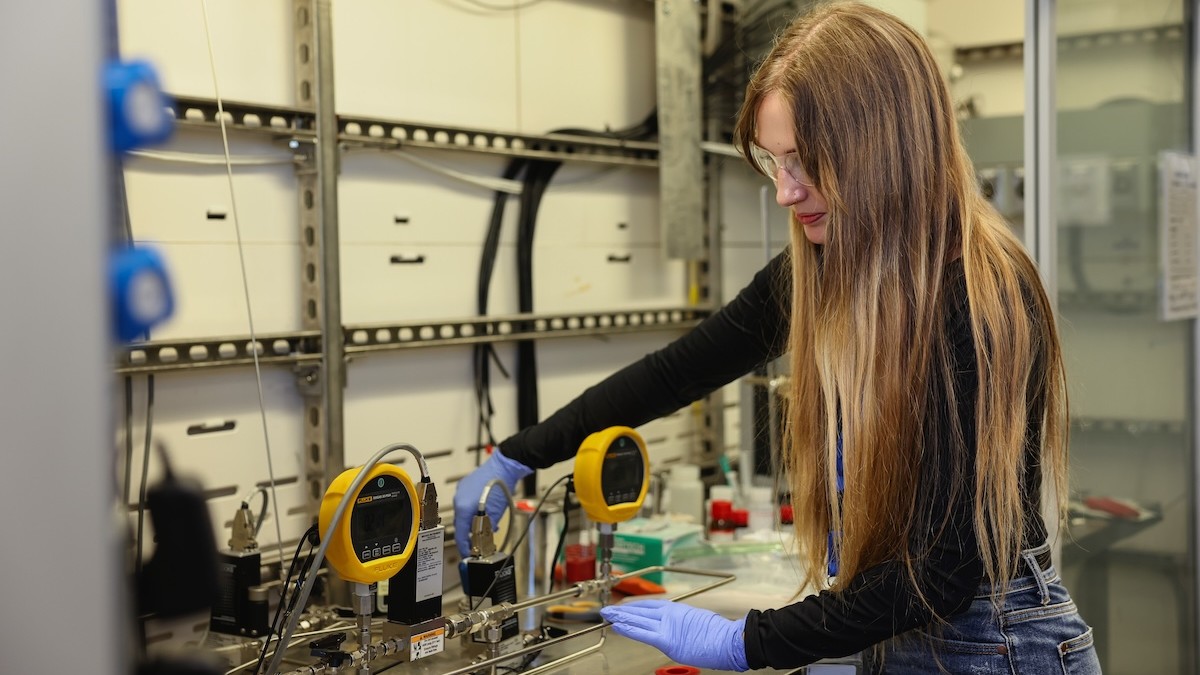
At the center of the project is a plastic chip about the size of a credit card. Soper says it can be mass-produced quickly and affordably through injection molding, the same process used to make CDs and DVDs. Inside the chip, enzymes break down a protein sample into amino acids, which are the building blocks that determine its structure and function. Each amino acid creates a unique electrical signal, which machine learning and artificial intelligence interpret in real time to decode the protein’s exact composition.
“This will actually help biologists and clinicians discover new biomarkers to provide the doctor a better idea of the state of the disease and how to manage it properly,” Soper said.
By showing exact differences in proteins, this platform could help research and treatment for many diseases. For example, in Alzheimer’s disease, it could spot changes in amyloid beta proteins, helping doctors understand how the disease is developing. The chip can also study cancer biomarkers like CA19-9, an indicator of pancreatic cancer, to help with early diagnosis and discover new treatments.
Soper serves as the project’s connector and conduit. At KU, he’s a distinguished professor in mechanical engineering, chemistry and cancer biology. His past roles at Louisiana State University helped him connect with researchers who are now bringing their expertise to the effort.
The collaboration reflects the purpose of the NSF EPSCoR program, which connects states that have historically received a smaller share of federal research funding. It also gives Soper’s network the resources to tackle a challenge no single discipline or institution could address alone.
“It’s amazing; it’s not just the funding, but all the discoveries that we’re making as part of this funding,” Soper said. “These are disparate disciplines in science, medicine and engineering, but we’ve been working together for over 20 years, so we know how to speak to each other in a language that’s common. It was the convergence of expertise in both states that made this funding happen.”
The project extends far beyond the lab. Undergraduate, graduate and postdoctoral researchers get hands-on experience with the technology, learn from faculty mentors and help inspire future scientists through community outreach, including K–12 STEM roadshows and the annual KU Engineering Expo.
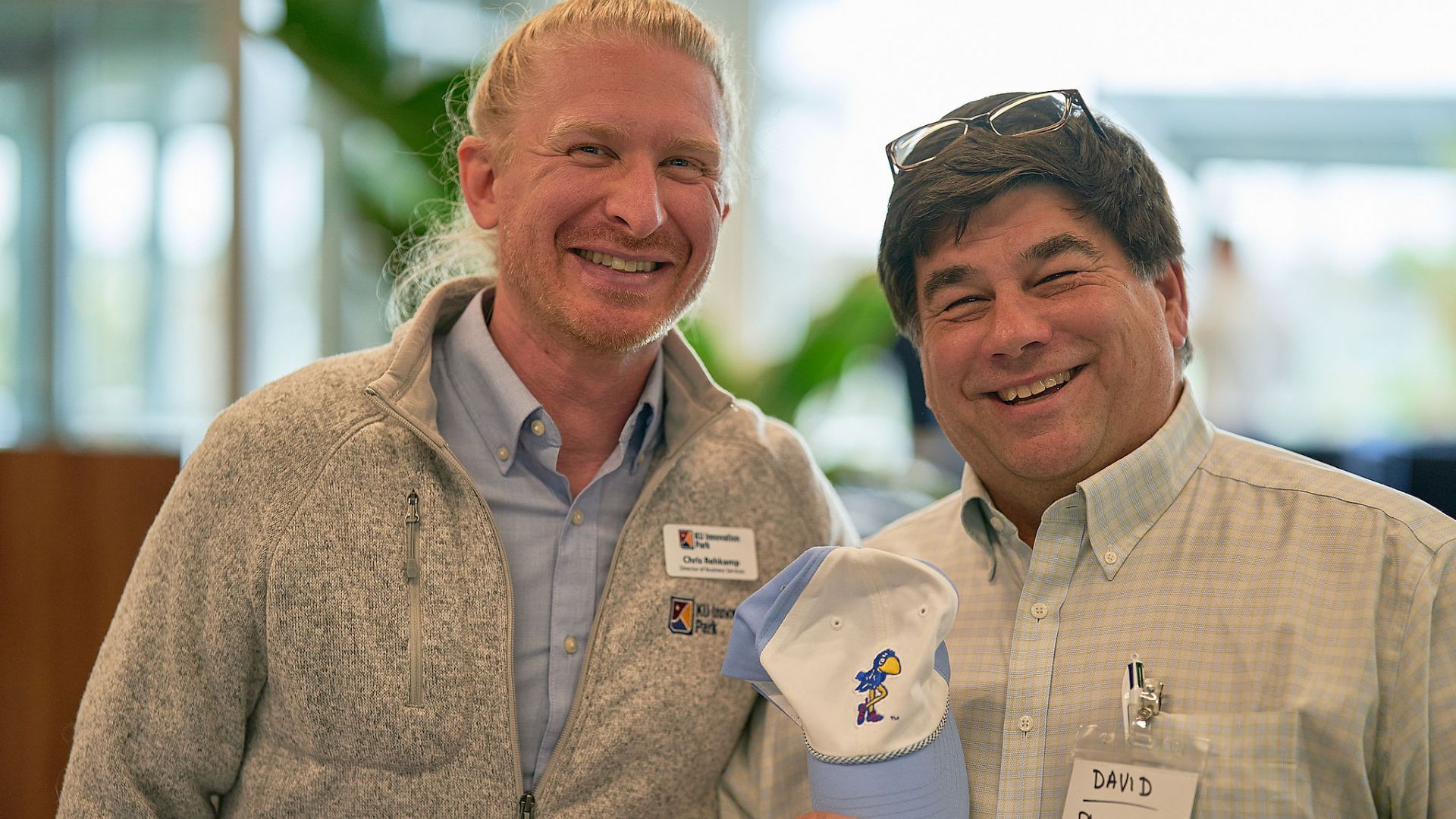
Partnering with KU Innovation Park, the team is turning these breakthroughs into economic growth. Researchers are starting a Kansas-based company, securing patents and setting up local chip manufacturing to create jobs and bring these tools directly to clinics.
“This investment will help KU researchers develop better ways to detect and treat complex diseases, advancing discoveries that could improve patients’ lives,” U.S. Sen. Jerry Moran said. ”In 2022, I worked to strengthen EPSCoR through the CHIPS and Science Act to expand research opportunities in states like Kansas that have historically received a smaller share of federal research funding. As chairman of the Senate Appropriations Subcommittee that funds the NSF, I will continue championing EPSCoR to make certain Kansas researchers have the resources to pursue medical breakthroughs and strengthen our nation’s scientific leadership.”
The project is still in its early stages, but the team has already collected promising data as it aims to bring this technology to physicians and patients in Kansas, across the country and around the world.
“I think the biggest compliment I have gotten on what we have accomplished is getting patients emailing us and saying, ‘Can this help us? What can we do to get involved in using this technology?’” Soper said. “That’s what keeps me going. Getting your technologies out into the marketplace so people can actually use them, that’s kind of the holy grail of working in the area of biomedical technology.”
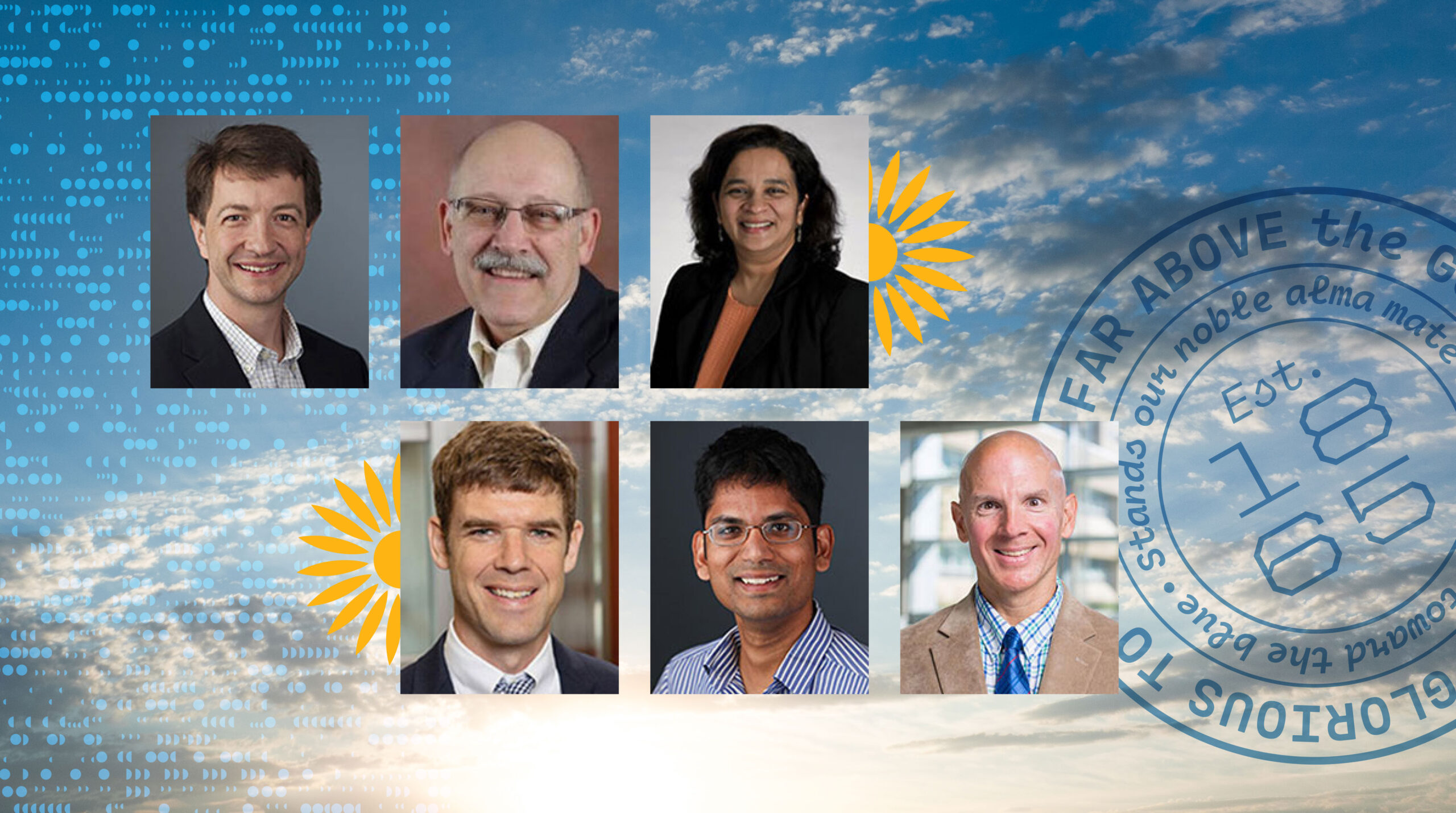
Key contributors
The project unites complementary expertise across state lines:
Device design & manufacturing:
- Sunggook Park, Louisiana State University co-principal investigator and professor of mechanical engineering, leads nanofabrication, nanomolding and chip manufacturing.
- Fareed Dawan, associate professor of mechanical engineering at Southern University and A&M College, supports manufacturing research with his expertise in micromachining and cleanroom technology.
Fluid dynamics and artificial intelligence for manufacturing:
- LSU researchers Dorel Moldovan, professor in the Department of Mechanical and Industrial Engineering, and Opeoluwa “Ope” Owoyele, assistant professor of mechanical engineering, contribute expertise in molecular dynamics, nanoscale transport, data science and machine learning for manufacturing via computational modeling.
Enzymology and measurement:
- Principal investigator Steven Soper and KU researcher Steven Bloom, associate professor in the KU Department of Medicinal Chemistry, refine the biological processing, enzyme development and signal measurements at the center of the technology.
Bioinformatics and clinical translation:
- Devin Koestler, professor in the Department of Biostatistics & Data Science at KU Medical Center, leads bioinformatics, data analysis and machine learning efforts that translate electrical signals into biological profiles.
Training and outreach:
- Malgorzata “Maggie” A. Witek, associate research professor in the KU Department of Chemistry, leads training, project dissemination and K–12 outreach.
Program evaluation:
- LeAnn Brosius, executive director of the Kansas State University Evaluation Project Management Team, evaluates the project’s research outcomes, education and workforce development efforts.
This story was originally published by KU News here.