Across industries, the systems people rely on every day are under strain and ready for reinvention. Small businesses struggle to connect to opportunity. Manufacturers face growing pressure to optimize performance. Critical materials are lost instead of being reused. Classrooms are navigating AI without a clear playbook. These four companies are building practical, scalable solutions designed for real-world use. Through ACCEL-KS, they are testing, refining, and moving closer to deployment, turning complexity into clarity and unlocking new capacity across Kansas communities and beyond.
This is the third in a series of features showcasing the companies awarded ACCEL-KS funding through KU Innovation Park. Each company answered the same three questions, and you can read about each venture below.
Event Connect KS| Bronson, Bourbon County
About Event Connect KS
Event Connect KS is building a centralized platform designed to connect vendors, small entrepreneurs, and event organizers across Kansas. Today, many communities rely on fragmented systems, Facebook posts, word of mouth, and outdated lists to recruit vendors, while small businesses spend significant time searching for legitimate opportunities. This disconnect limits participation, reduces income potential, and creates inefficiencies for both sides. The challenge is especially pronounced in rural areas, where access to reliable business networks and resources is limited. Through ACCEL-KS, Event Connect is developing a statewide digital hub that streamlines vendor discovery while providing entrepreneurs with tools to grow and scale. The goal is to create a trusted infrastructure that strengthens local events and supports small business participation across Kansas.
What problem are you solving and why does it matter now?
Event Connect KS addresses the lack of a centralized system connecting vendors, small entrepreneurs, and event organizers across Kansas. Today, many groups rely on scattered communication methods, while vendors spend significant time searching for legitimate opportunities and often encounter incomplete information or scams. This inefficiency limits participation, reduces income, and weakens community events. The challenge is especially significant in rural Kansas, where entrepreneurs often operate part-time and lack access to reliable networks and resources. This solution matters now as communities across the state work to strengthen local economies, increase tourism, and support small business growth.
What are you building or validating through ACCEL-KS?
Through ACCEL-KS, Event Connect is building and validating a proof-of-concept platform that connects event organizers with verified vendors while also providing access to essential business resources. The MVP includes vendor profiles, event posting tools, location-based search, licensing and insurance upload capabilities, and automated notifications for relevant opportunities. It also introduces a business resource marketplace connecting entrepreneurs with suppliers. Early testing across Kansas communities will validate usability, demand, and the platform’s ability to improve vendor recruitment and participation.
What excites you the most about taking this next step with your company?
This next step creates an opportunity to remove barriers for small entrepreneurs across Kansas. Based on years of firsthand experience, finding legitimate events can be time-consuming and inefficient, especially for those operating in rural areas or balancing other commitments. Event Connect creates a trusted system that saves time, reduces risk, and increases access to opportunity. By giving entrepreneurs time back, it allows them to focus on growing their businesses while strengthening local communities.
DiehlPerry | Leawood, Johnson County
About DiehlPerry
DiehlPerry is developing AI-driven software that helps chemical manufacturers operate more efficiently in complex, real-world conditions. By accounting for variables like feedstock variability, weather, and utility constraints, the platform enables operators to optimize performance without compromising safety or product quality. The approach focuses on practical gains, where even small improvements can significantly reduce costs, energy use, and emissions at scale. Through ACCEL-KS, the company is advancing its digital twin capabilities and validating its models against real operating environments. This work strengthens the ability to simulate, test, and deploy optimization strategies more quickly. As industrial systems grow more complex, DiehlPerry’s technology offers a more adaptive and data-driven path forward.
What problem are you solving and why does it matter now?
We help chemical manufacturers run their plants more efficiently by using AI to optimize performance based on changing feed and weather conditions. As energy, water, and infrastructure demands continue to rise, even small efficiency improvements can have a significant impact on costs, reliability, and emissions. The industry needs tools that help operators make better decisions faster without sacrificing safety or product quality.
What are you building or validating through ACCEL-KS?
We are validating our AI optimization approach by building new performance benchmarks, expanding compute capacity to test models more quickly, and comparing methods across real operating scenarios. This includes applying our work to large water-chilling plants, improving how we model constraints such as utilities and weather, and strengthening our digital twin process to better match real plant behavior.
What excites you the most about taking this next step with your company?
ACCEL-KS gives us the ability to test ideas, validate what works, and continue advancing our technology. We’re grateful for the opportunity and excited to demonstrate how practical AI optimization can improve efficiency, reliability, and safety in manufacturing environments.
Electravera | Lawrence, Douglas County
About Electravera
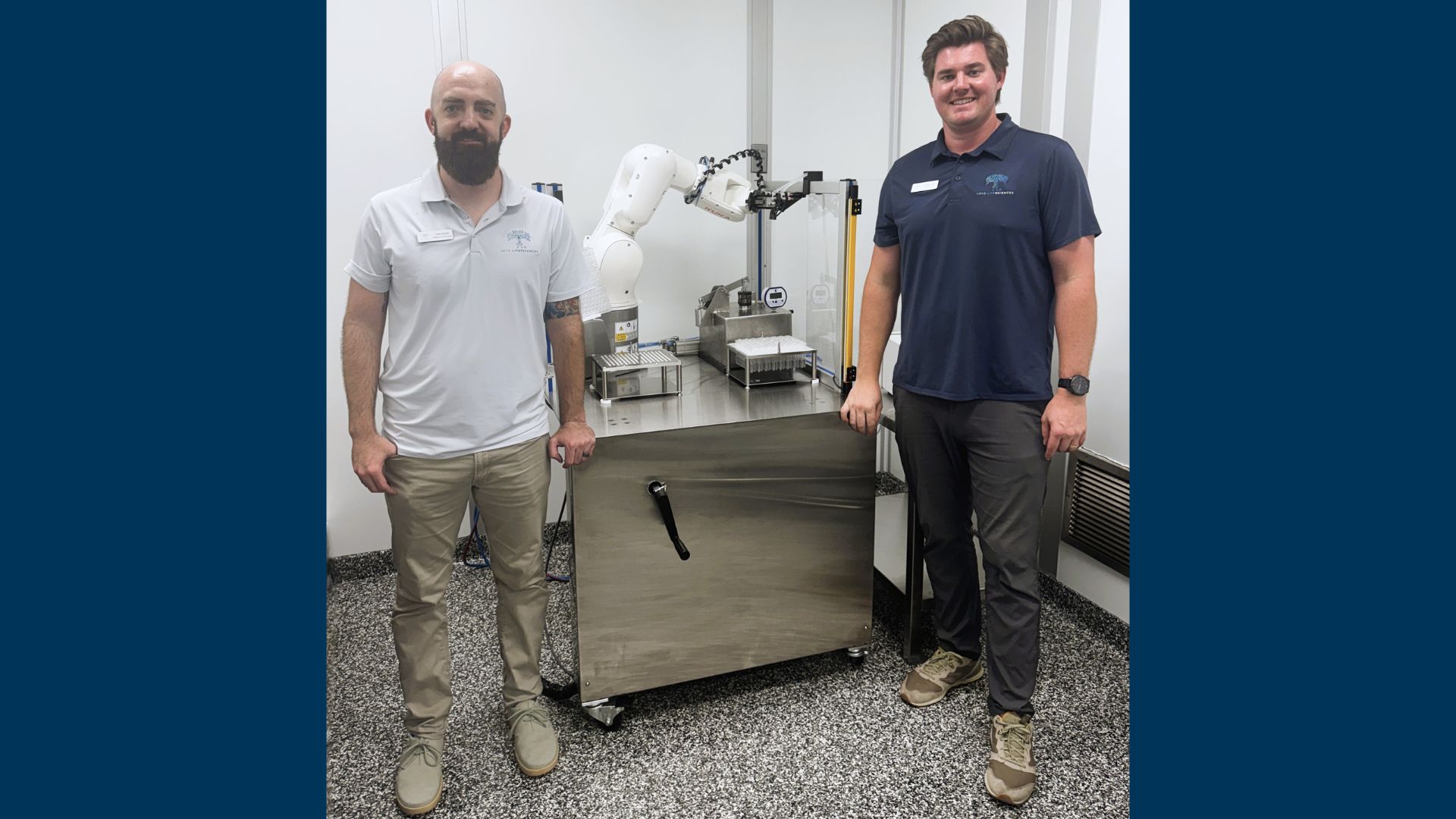
Electravera is developing technology to recover critical minerals from end-of-life lithium-ion batteries, helping address growing demand for materials essential to energy storage and electrification. As battery use accelerates across industries, so does the need for more efficient and sustainable recycling solutions that reduce reliance on new extraction. The company’s approach focuses on selectively recovering high-value materials while improving safety and process efficiency. Through ACCEL-KS, Electravera is advancing early system design and validating its business model, including plans for a scalable battery disassembly line. This work supports the development of a more circular supply chain for critical minerals. In doing so, Electravera is contributing to both environmental sustainability and domestic resource resilience.
What problem are you solving and why does it matter now?
At Electravera, we are working to close the critical mineral loop by recycling lithium-ion batteries and extracting valuable materials that would otherwise be disposed of.
What are you building or validating through ACCEL-KS?
Through ACCEL-KS, we are developing designs for a battery disassembly line and validating our business model.
What excites you the most about taking this next step with your company?
We are excited to work with business experts at KU Innovation Park who will help our company grow and succeed.
Authentiya | Ozawkie, Jefferson County
About Authentiya
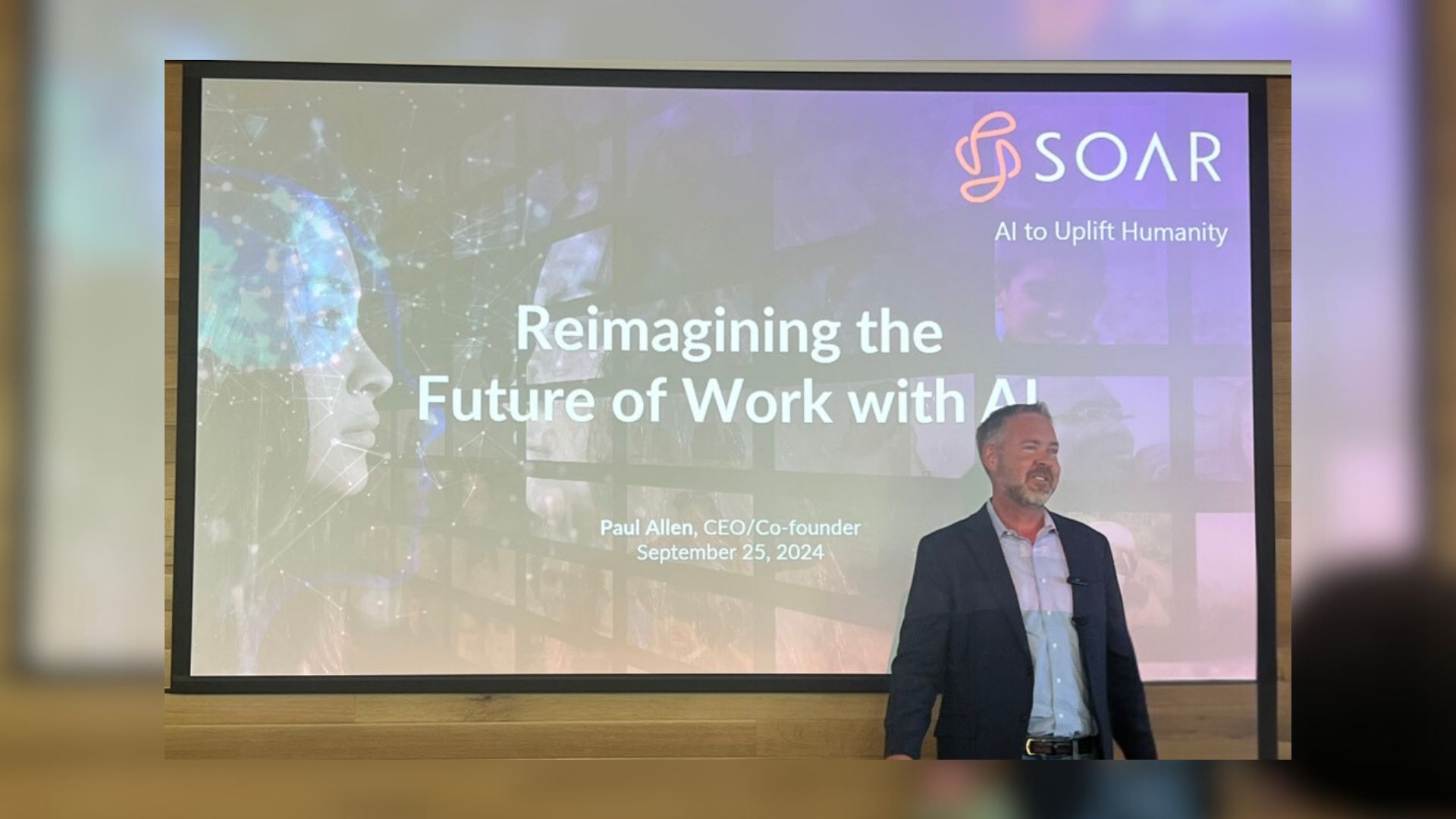
Authentiya is helping schools navigate one of the most immediate challenges in education: how to responsibly integrate artificial intelligence into the classroom. Rather than banning AI or ignoring its growing role in student learning, the company provides tools and training that promote transparency, accountability, and practical understanding. Its platform combines student education with real-time visibility for educators, allowing teachers to see how and why AI is being used in assignments. Through ACCEL-KS, Authentiya is developing and testing its proof-of-concept software, focused on both AI literacy and classroom integration. The approach meets a clear and timely need as schools balance academic integrity with preparing students for an AI-enabled workforce. At its core, Authentiya is working to replace uncertainty with structure, giving educators a path forward that is both realistic and responsible.
What problem are you solving and why does it matter now?
Schools don’t know how to respond to student use of AI. Many are attempting solutions like banning AI altogether or returning to paper-and-pencil assignments. At the same time, students are expected to develop AI skills as part of career readiness. Authentiya helps schools introduce AI responsibly by providing the training and transparency needed for classroom adoption.
What are you building or validating through ACCEL-KS?
Through ACCEL-KS, we are building our proof-of-concept software. This includes training that helps students understand what AI is, when it is appropriate to use it, and how to identify misinformation and bias. Students can then use Authentiya on their assignments, with built-in reporting for teachers that shows when AI is used and the context behind that use.
What excites you the most about taking this next step with your company?
We are incredibly thankful for ACCEL-KS and the Patterson Family Foundation for enabling us to build our proof of concept. We’re excited to move toward getting this software into the hands of real teachers and classrooms.