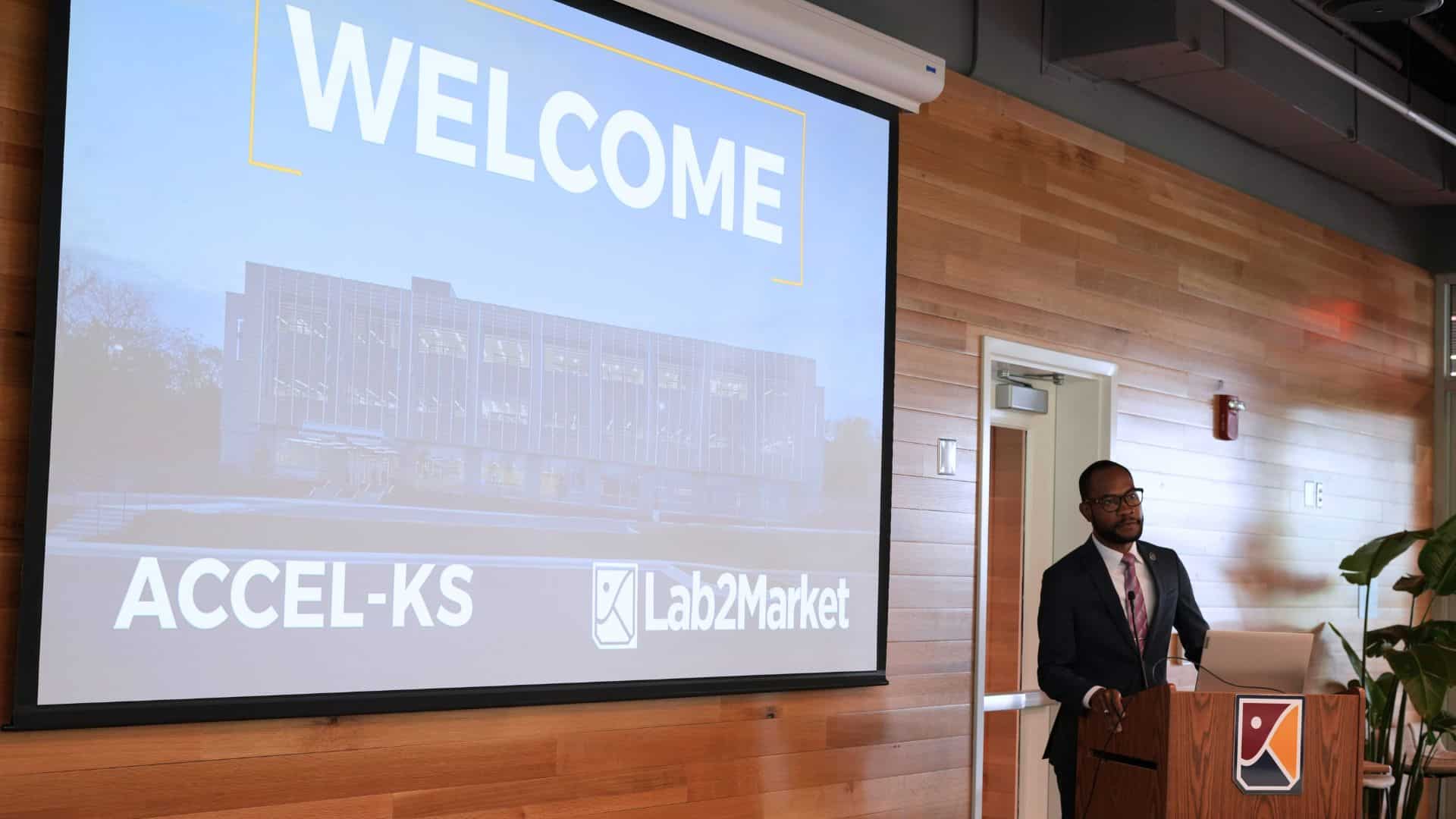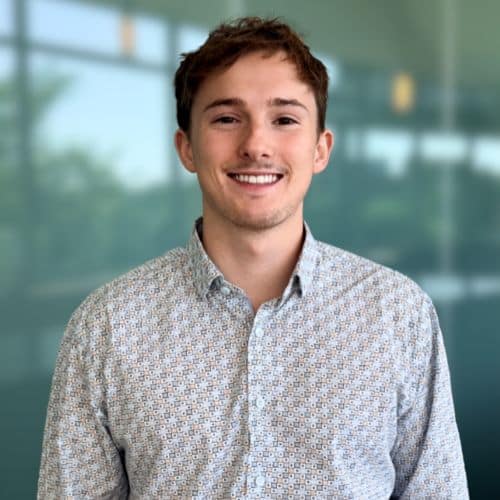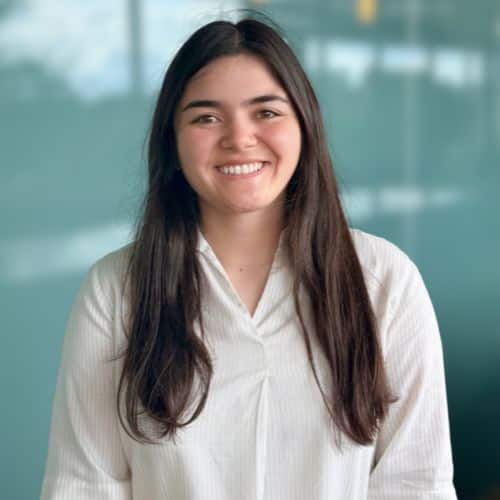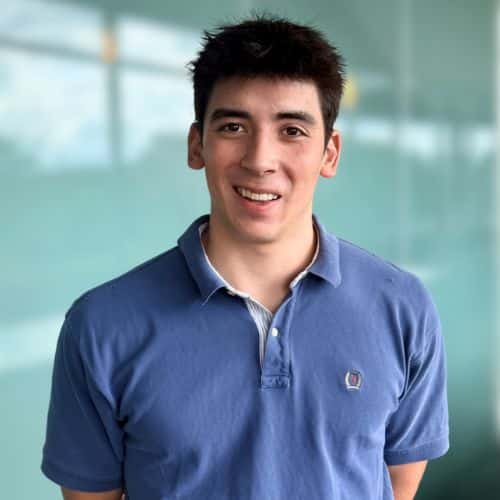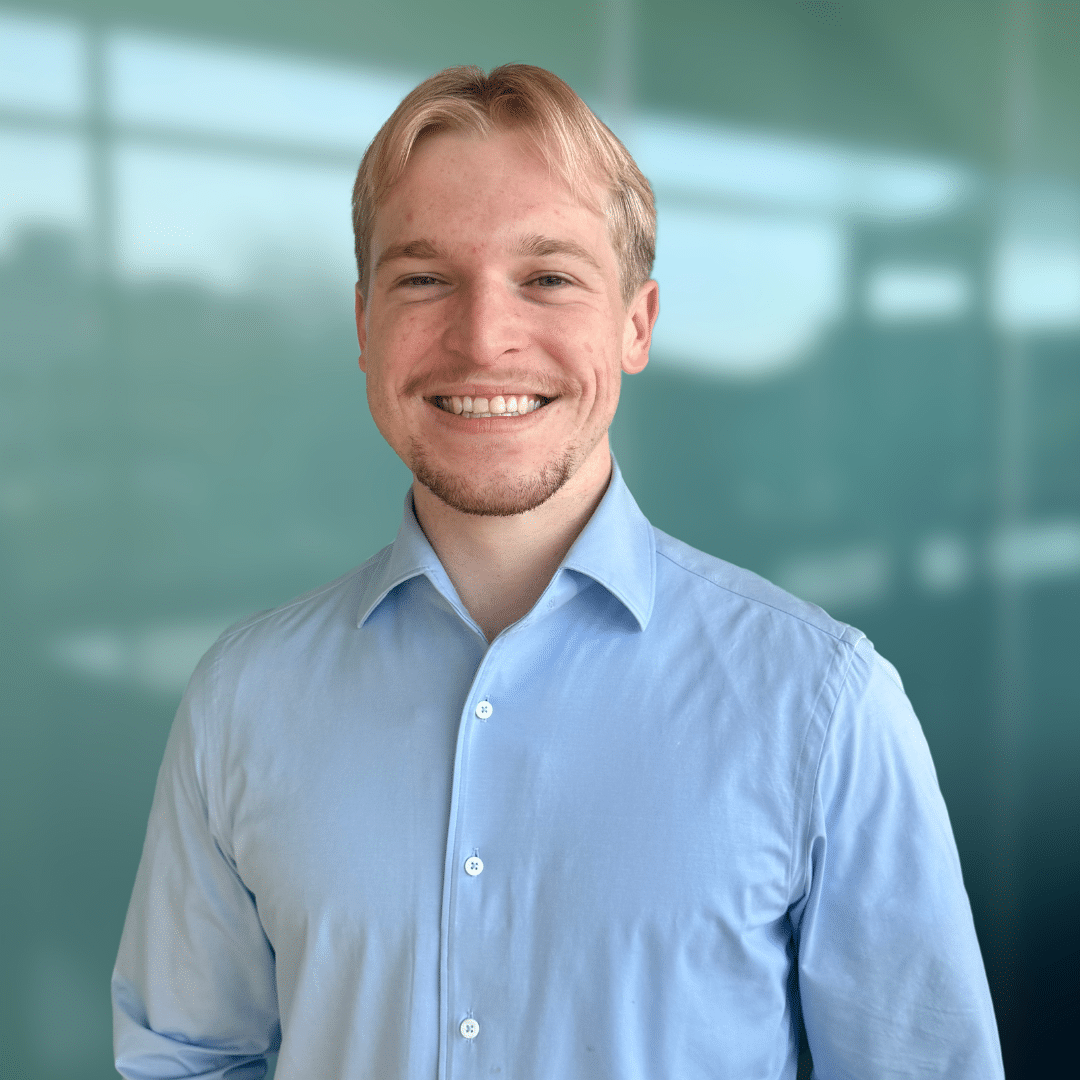
In communities across Kansas and beyond, the gaps are becoming harder to ignore and more urgent to solve. Local news is disappearing. Young people are navigating various worlds – both digital and in-person – without structured support. Healthcare systems are straining to keep pace with demand, from safer drug delivery to more accessible treatment options. These four companies are stepping into those spaces with solutions built for how people actually live, learn and engage today. Through ACCEL-KS, they are moving from insight to implementation, building tools that restore connection, improve care and create new pathways forward.
This is the second in a series of features showcasing the companies awarded ACCEL-KS funding through KU Innovation Park. Each company answered the same three questions, and you can read about each venture below.
Citizen Journal | McPherson, McPherson County
About Citizen Journal
Citizen Journal is rebuilding local news infrastructure using AI to make high-quality journalism economically viable again. As traditional newspapers continue to close, especially in rural communities, access to reliable, local information has eroded along with it. The company’s platform transforms public records into clear, AP-style reporting, delivering consistent coverage where gaps now exist. Through ACCEL-KS, Citizen Journal is refining its model for scalable expansion, including its advertising approach and operational playbook for entering new markets. Early traction shows strong engagement in both Kansas and beyond, signaling demand for a new approach to local journalism. The broader aim is both practical and civic: restore trusted information channels in communities that have lost them.
What problem are you solving and why does it matter now?
Since 2000, more than 3,200 American newspapers have closed, and the pace is accelerating. One-third of all local papers are gone, with rural communities hit the hardest. When a local newspaper disappears, the effects ripple outward. Public meetings go uncovered, local achievements are no longer shared, and communities fragment into disconnected information sources. Local businesses also lose a key advertising channel, with few viable replacements. At the same time, declining trust in national media has left many communities without reliable sources they believe. Citizen Journal addresses this by using AI to make hyperlocal journalism economically sustainable again, at a time when the need is especially urgent.
What are you building or validating through ACCEL-KS?
Through ACCEL-KS, we are validating our model for rapid, scalable expansion. Our proprietary technology, Cronkite AI, ingests public records such as city council meetings, school board sessions, police reports, and press releases, and converts them into professional AP-style journalism. We have already launched in 34 communities across five states, with more than 11,000 app downloads and 80,000 monthly views. In our home market of McPherson, Kansas, we generate more than 20,000 views per month and have effectively replaced the local newspaper. With ACCEL-KS, we are refining our go-to-market strategy, strengthening our advertising model, and building a repeatable playbook to expand into additional underserved communities.
What excites you the most about taking this next step with your company?
What excites us most is the opportunity to use technology to restore something that has been lost. We have already seen that the model works. Communities are engaging with the content, local businesses are advertising, and civic participation is increasing. ACCEL-KS provides the mentorship, network, and structure to scale beyond our initial markets. Each new community represents an opportunity to bring local news back in a meaningful way, which is both motivating and impactful.
VOISS | Lawrence, Douglas County
About VOISS
VOISS is developing a virtual reality platform designed to help youth build communication and social skills through immersive, guided experiences. As digital environments become more central to how young people learn and interact, there is a growing need for tools that translate those experiences into real-world skills. VOISS focuses on creating structured, supervised scenarios where users can practice and improve social interactions in a safe setting. Through ACCEL-KS, the company is advancing its use of AI to accelerate the development of these virtual environments, making it easier to tailor experiences to different learning needs. This approach supports greater accessibility and scalability across diverse user groups. The goal is to bridge the gap between digital engagement and meaningful, real-world skill development.
What problem are you solving and why does it matter now?
We are providing youth with a platform to learn and develop social and communication skills in a more structured and supervised way.
What are you building or validating through ACCEL-KS?
Through ACCEL-KS, we are working with a development team to use AI to create a faster and more efficient process for building virtual reality scenarios. This allows us to better address the learning needs of a wider range of youth.
What excites you the most about taking this next step with your company?
AI is changing how software is developed. It enables more customized digital experiences that can better engage users and connect more effectively to real-world outcomes.
Love Lifesciences | Olathe, Johnson County
About Love Lifesciences
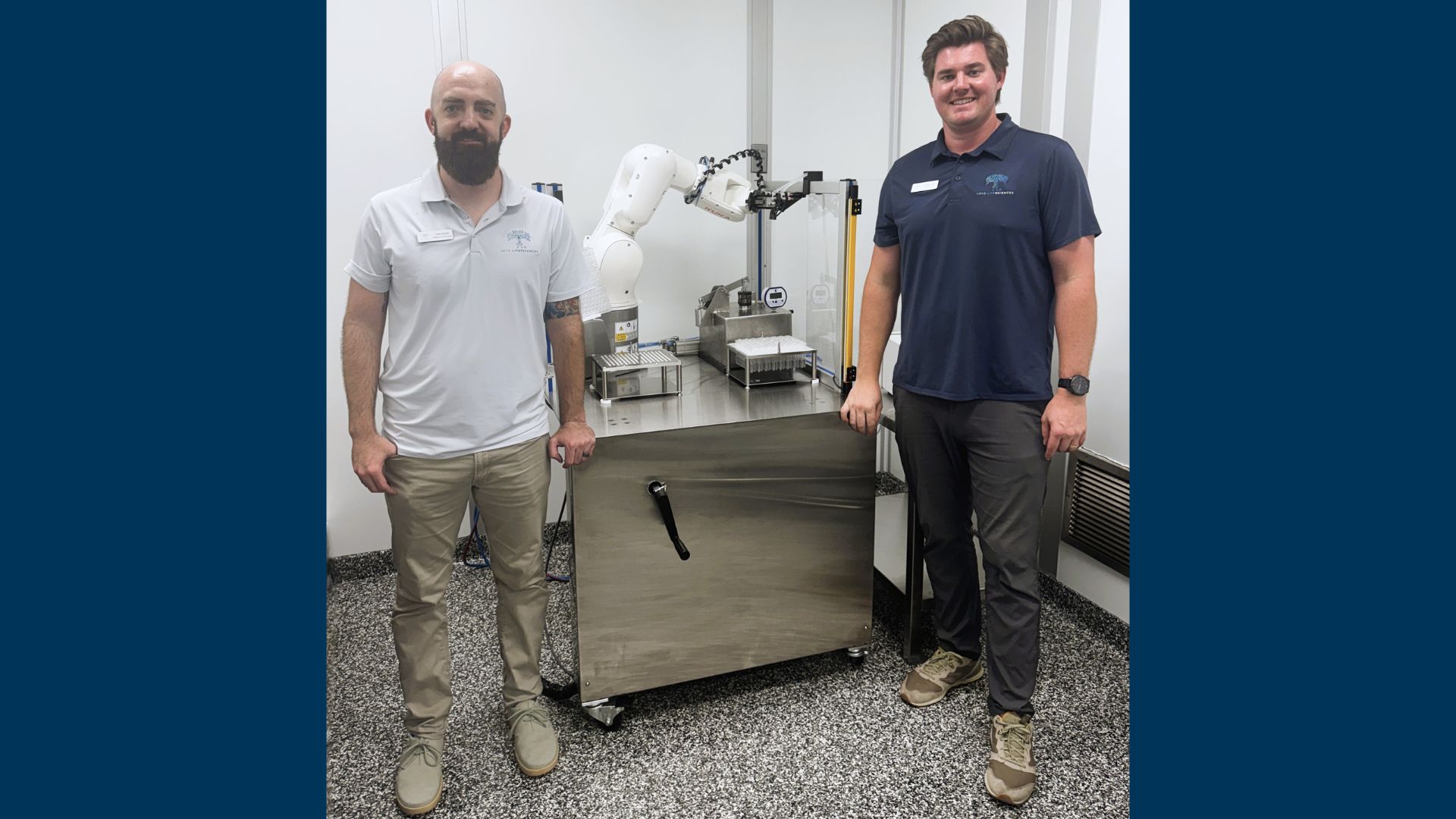
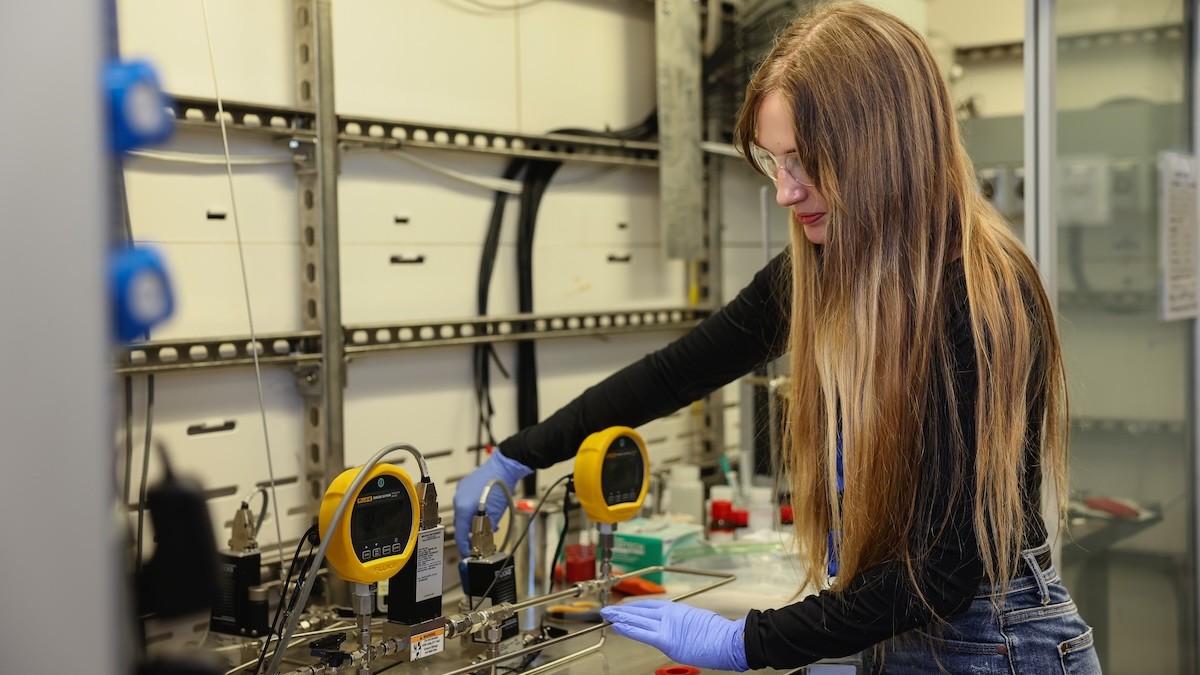
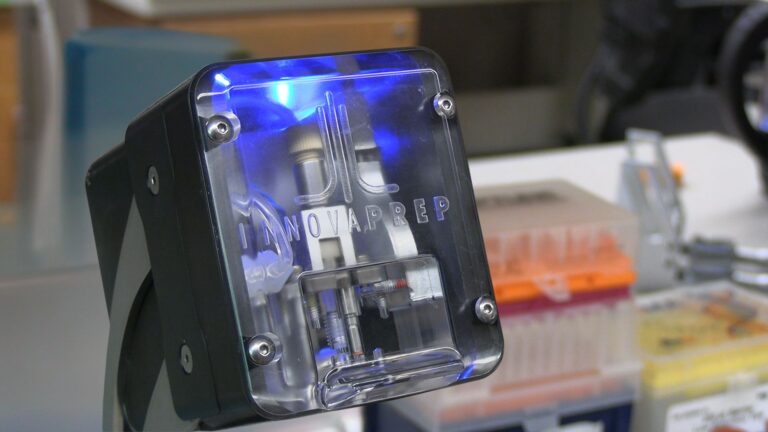
Love Lifesciences is developing automated systems to improve how injectable medications are prepared and delivered, particularly in the rapidly growing compounding pharmacy market. As more patients rely on compounded injectables, traditional methods using multi-dose vials and manual syringes introduce risks around dosing accuracy, safety, and ease of use. The company’s platform pairs its UniPen delivery device with integrated fill-finish systems designed to streamline preparation and improve consistency. Through ACCEL-KS, Love Lifesciences is advancing both semi-automated and fully automated systems to support different segments of the market, from compounding pharmacies to clinical manufacturing. These systems are a critical step toward demonstrating commercial readiness and enabling real-world deployment. The broader goal is to bring the safety and convenience of modern injection devices to a wider range of therapies and patients.
What problem are you solving and why does it matter now?
The rapid growth of compounded injectable medications has highlighted the challenges and risks associated with manual self-administration using traditional syringes and multi-dose vials. Love Lifesciences’ injection devices are designed to bring the same level of safety, convenience, and controlled delivery that has historically only been available with branded pharmaceutical products.
What are you building or validating through ACCEL-KS?
ACCEL-KS funding is supporting the development of two syringe filling and finishing systems for use with the UniPen device: a semi-automated system for the 503A compounding market and a fully automated robotic system for the CDMO clinical trials market. These systems will allow us to demonstrate the technology to potential customers and validate performance through pilot implementations.
What excites you the most about taking this next step with your company?
The ability to demonstrate and deploy fully functional, commercial-grade fill-finish systems represents a major milestone in our commercialization pathway. These systems will enable us to offer compounding pharmacies a comprehensive, turnkey injection device platform and bring improved safety and convenience to millions of patients.
SteroCore | Lawrence, Douglas County
About SteroCore
SteroCore is developing a once-daily oral testosterone therapy designed to improve how low testosterone is treated. While millions of men experience low testosterone, existing treatments often rely on injections or topical applications that can be inconvenient and difficult to maintain over time. This creates a significant gap between those who could benefit from treatment and those who continue with it. SteroCore’s approach focuses on a more accessible, patient-friendly alternative that aligns with how most people prefer to take medication. Through ACCEL-KS, the company is advancing early-stage development, including safety testing and formulation work required for regulatory progression. These steps are critical to moving the therapy from concept toward clinical validation. The goal is to improve adherence, expand access, and ultimately deliver a more practical standard of care.
What problem are you solving and why does it matter now?
Millions of men in the United States live with low testosterone, but fewer than one million receive treatment. Current options are often limited to injections or topical therapies that can be inconvenient or uncomfortable, leading many patients to discontinue use.
A safe, effective once-daily pill would improve adherence and quality of life for patients who are currently underserved.
What are you building or validating through ACCEL-KS?
Through ACCEL-KS, we are laying the groundwork for a next-generation oral testosterone therapy. This includes confirming effectiveness in preclinical models, conducting safety testing, and advancing formulation development.
These steps are essential for future regulatory engagement and progression toward initial human dosing.
What excites you the most about taking this next step with your company?
What excites us most is the opportunity to close a persistent treatment gap. Oral testosterone represents a small fraction of current prescriptions, even though most patients prefer a pill-based option.
That gap highlights a meaningful opportunity to improve care. ACCEL-KS provides the support needed to move from a promising concept toward a therapy that could change how low testosterone is treated.