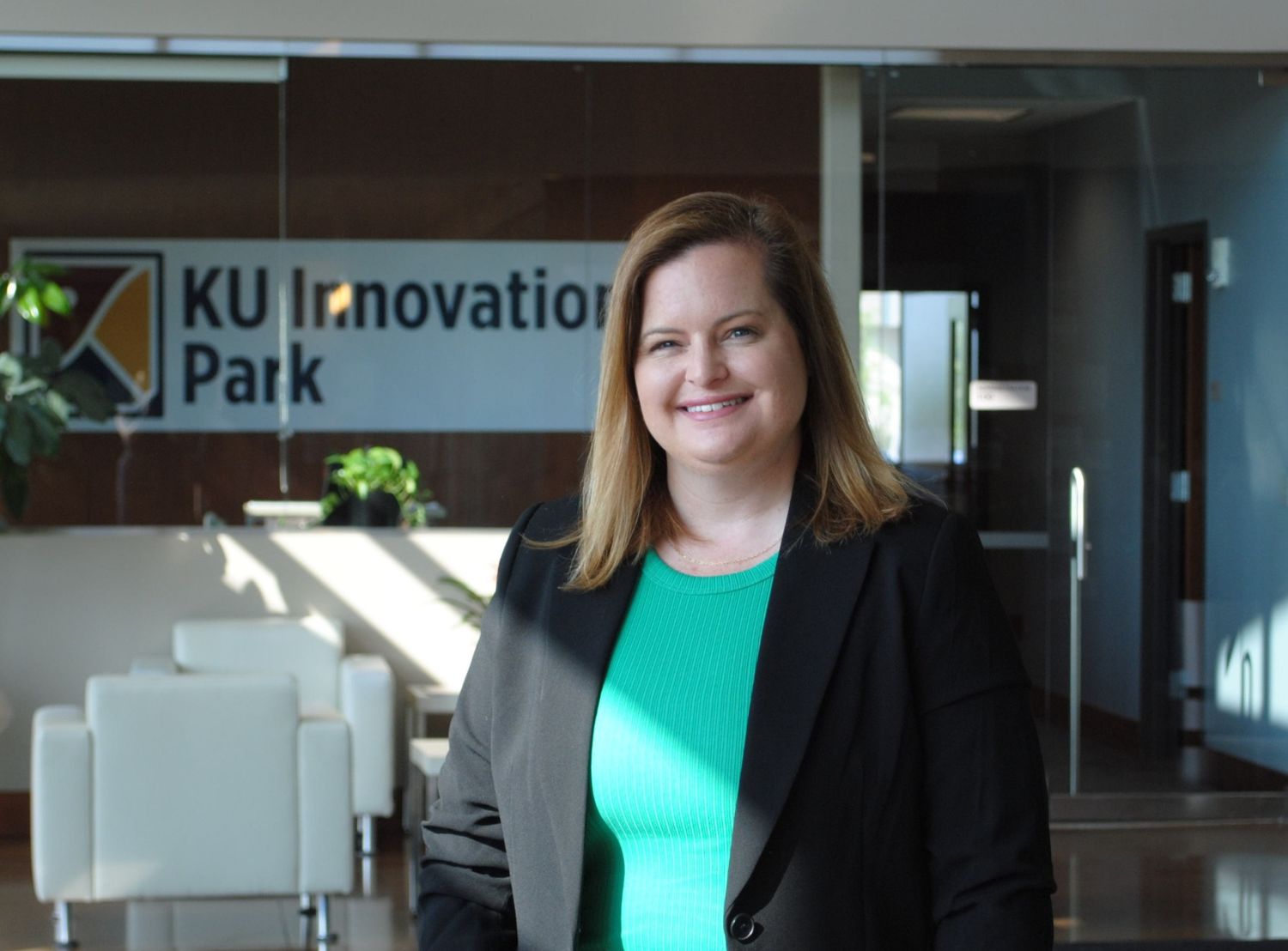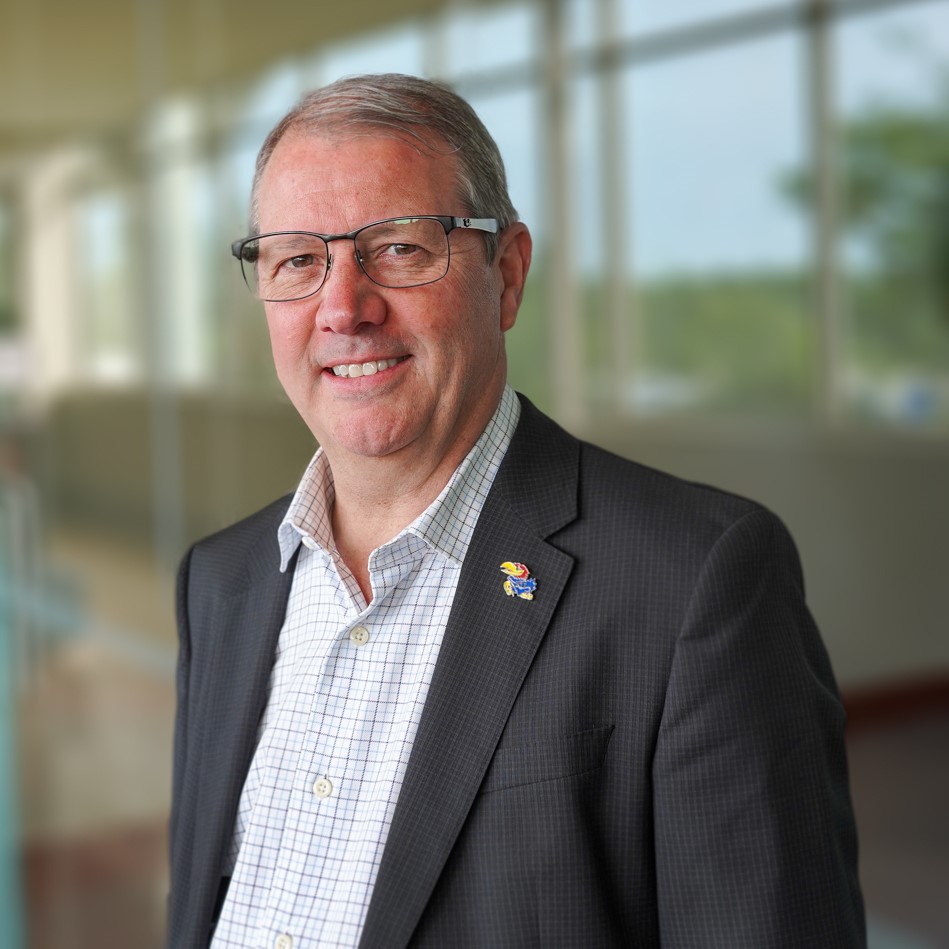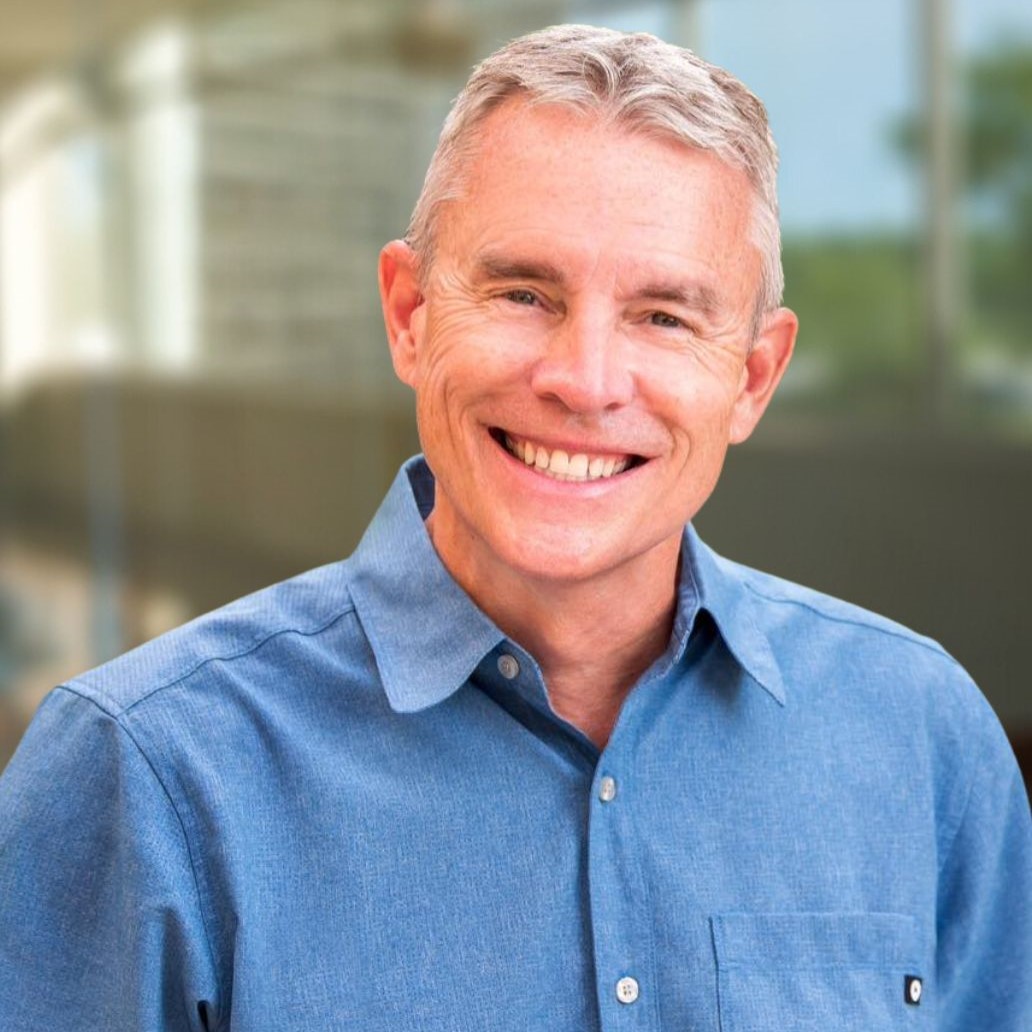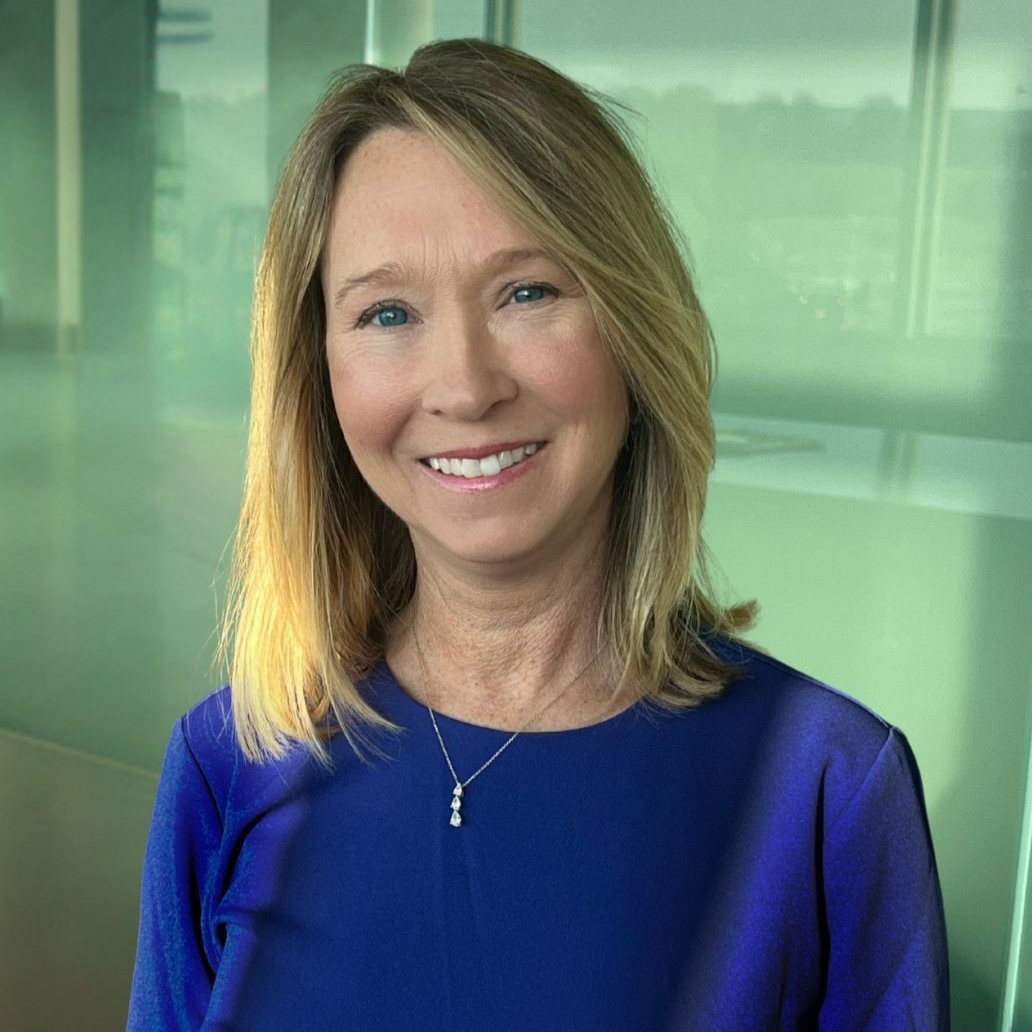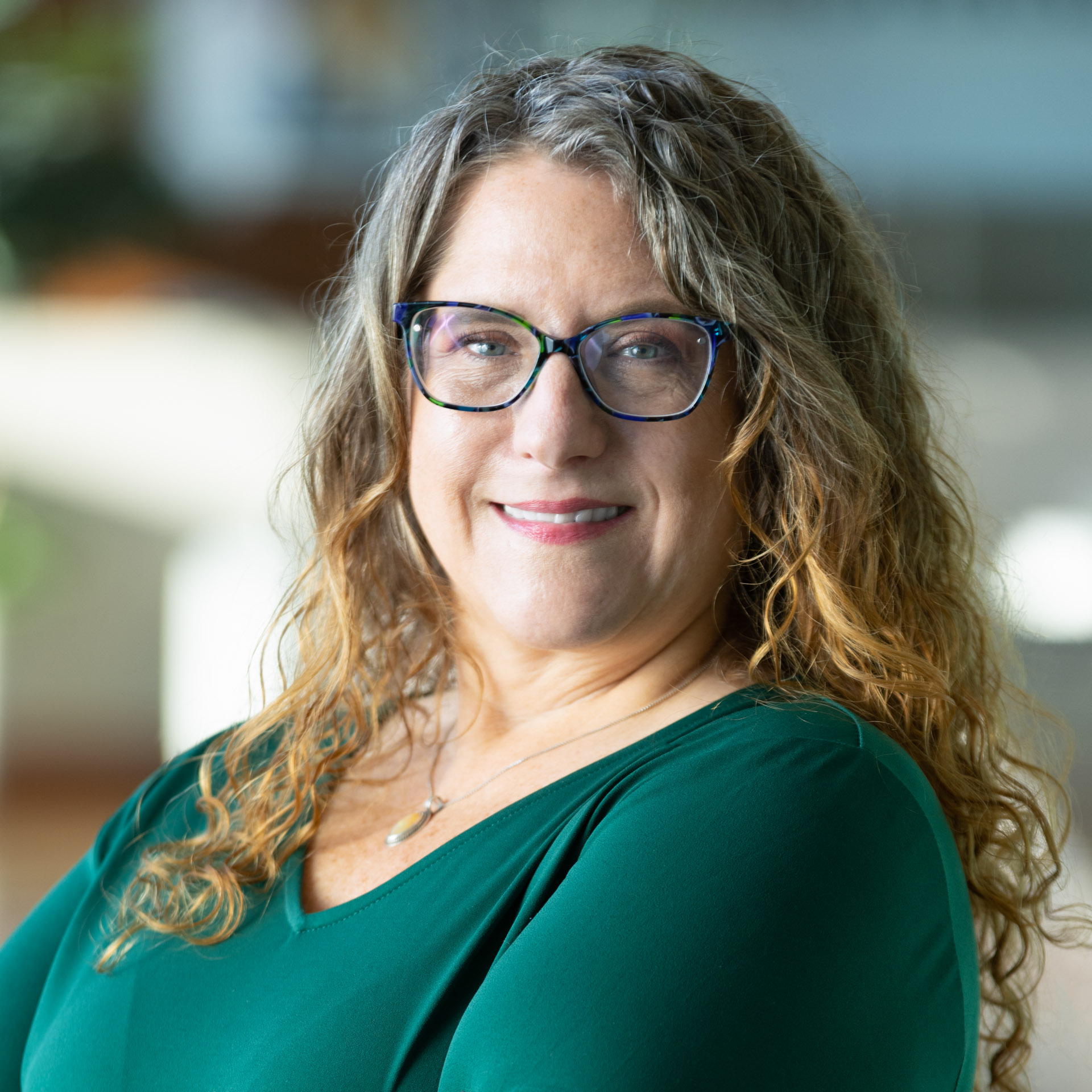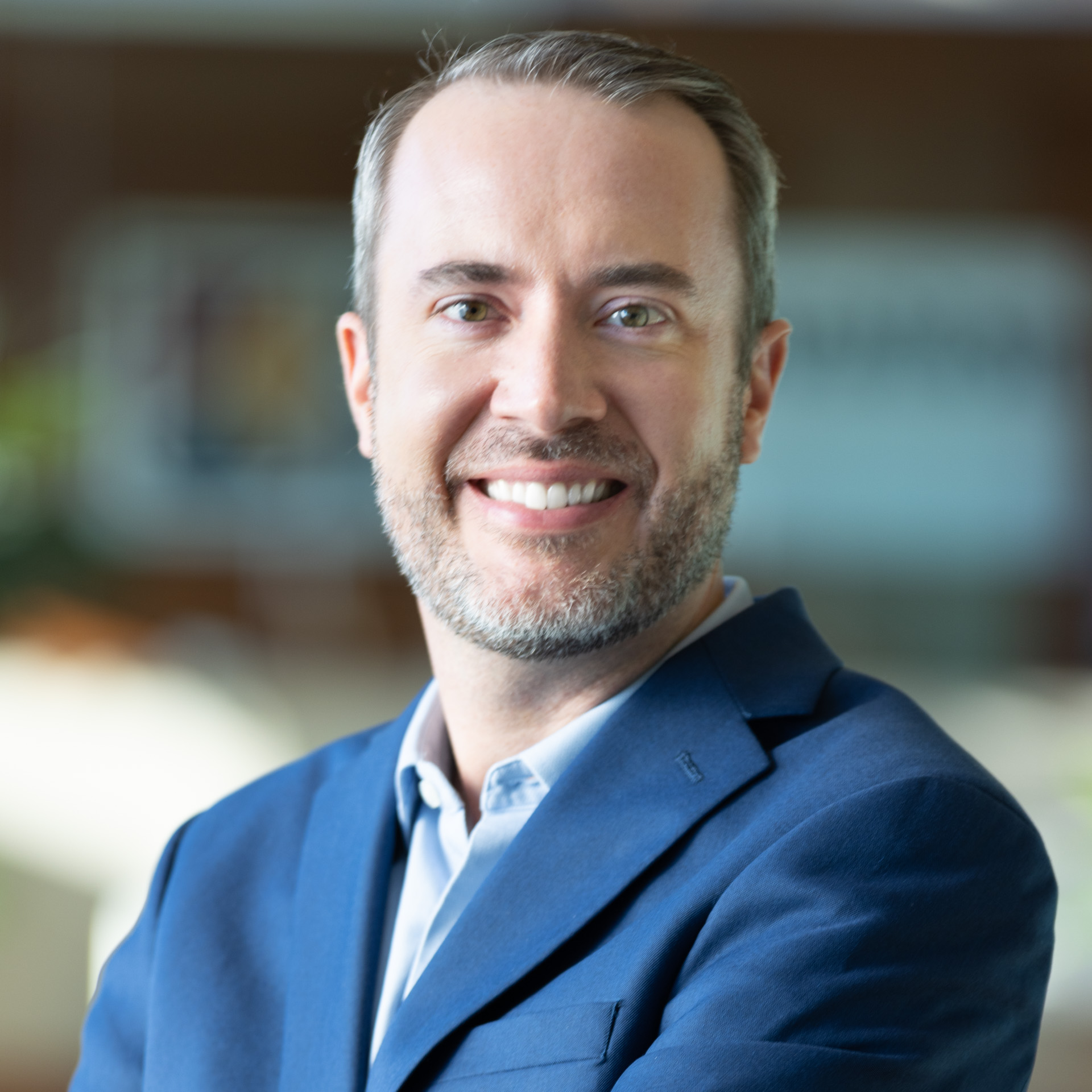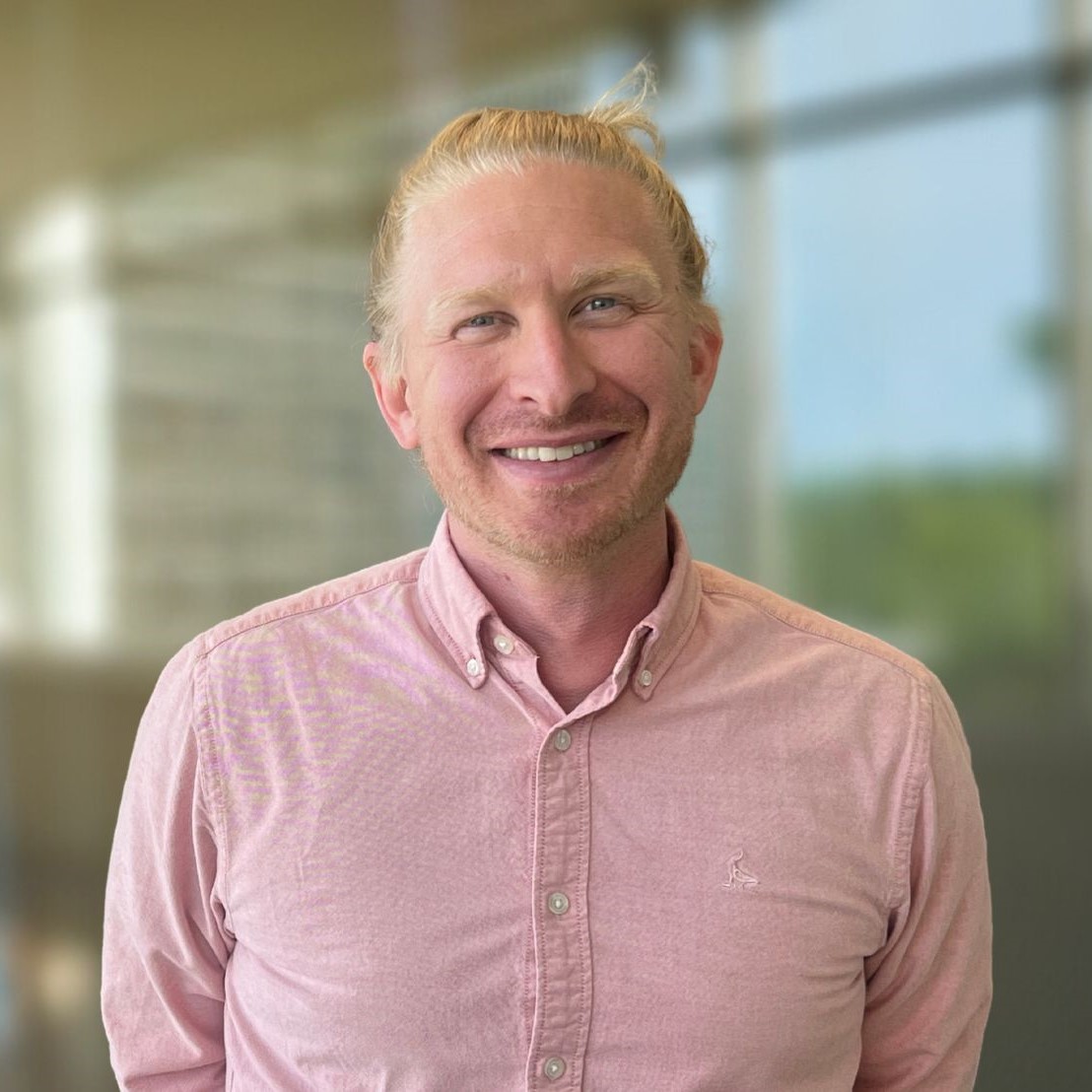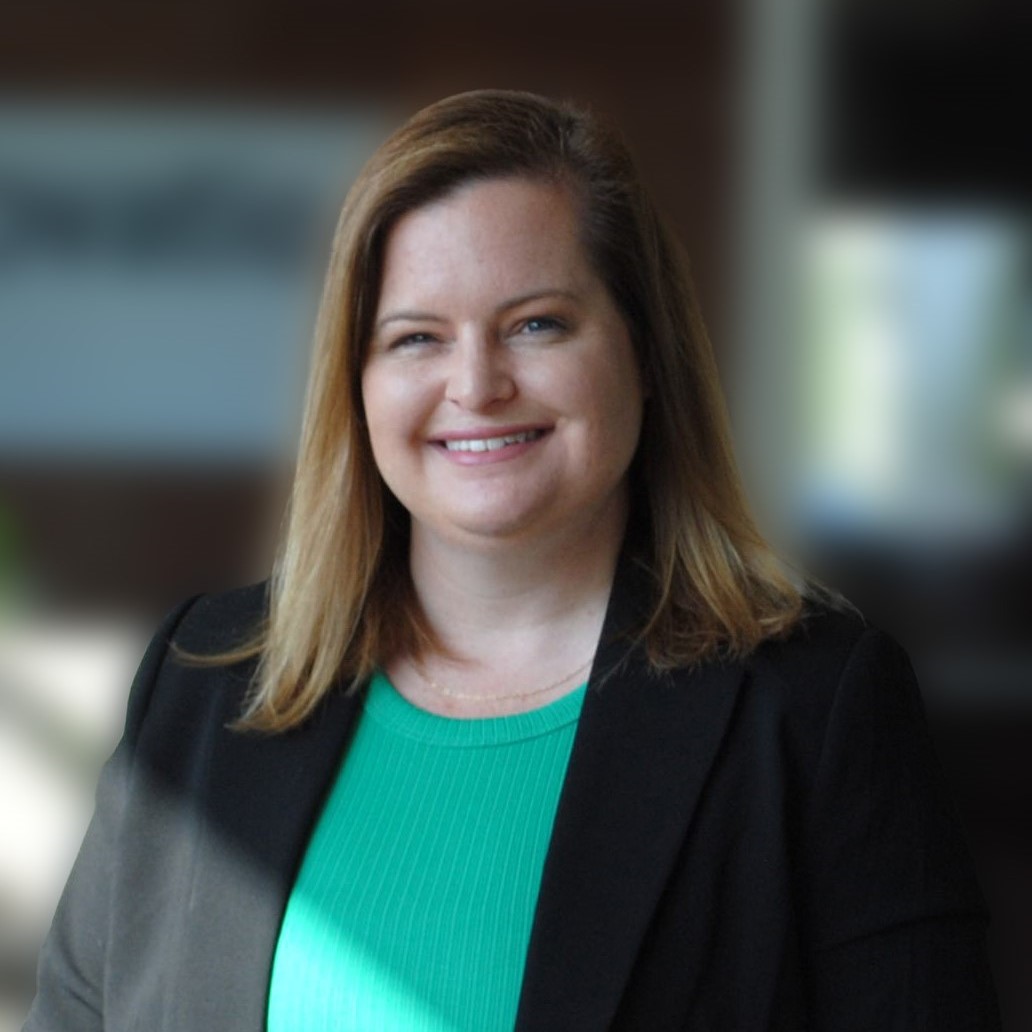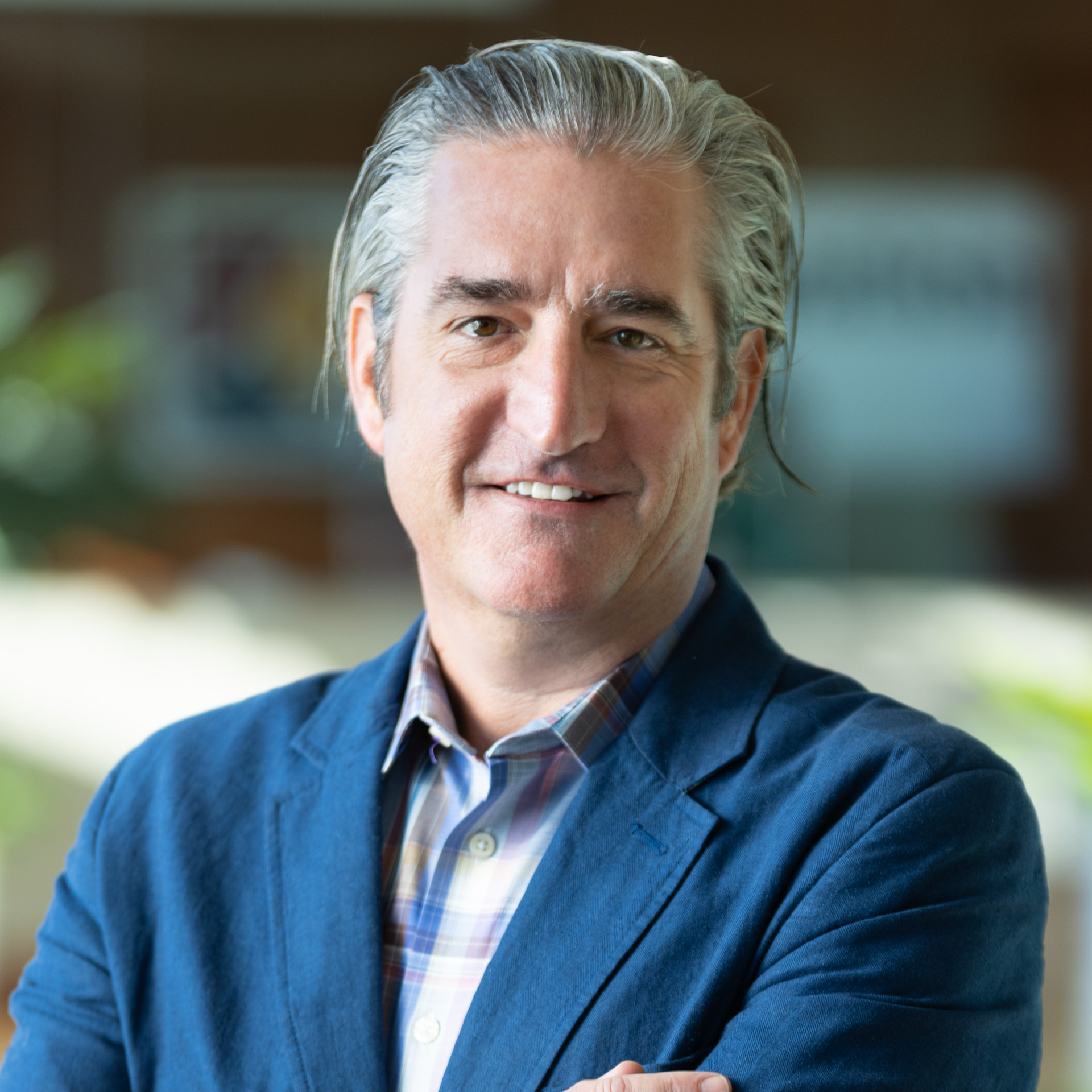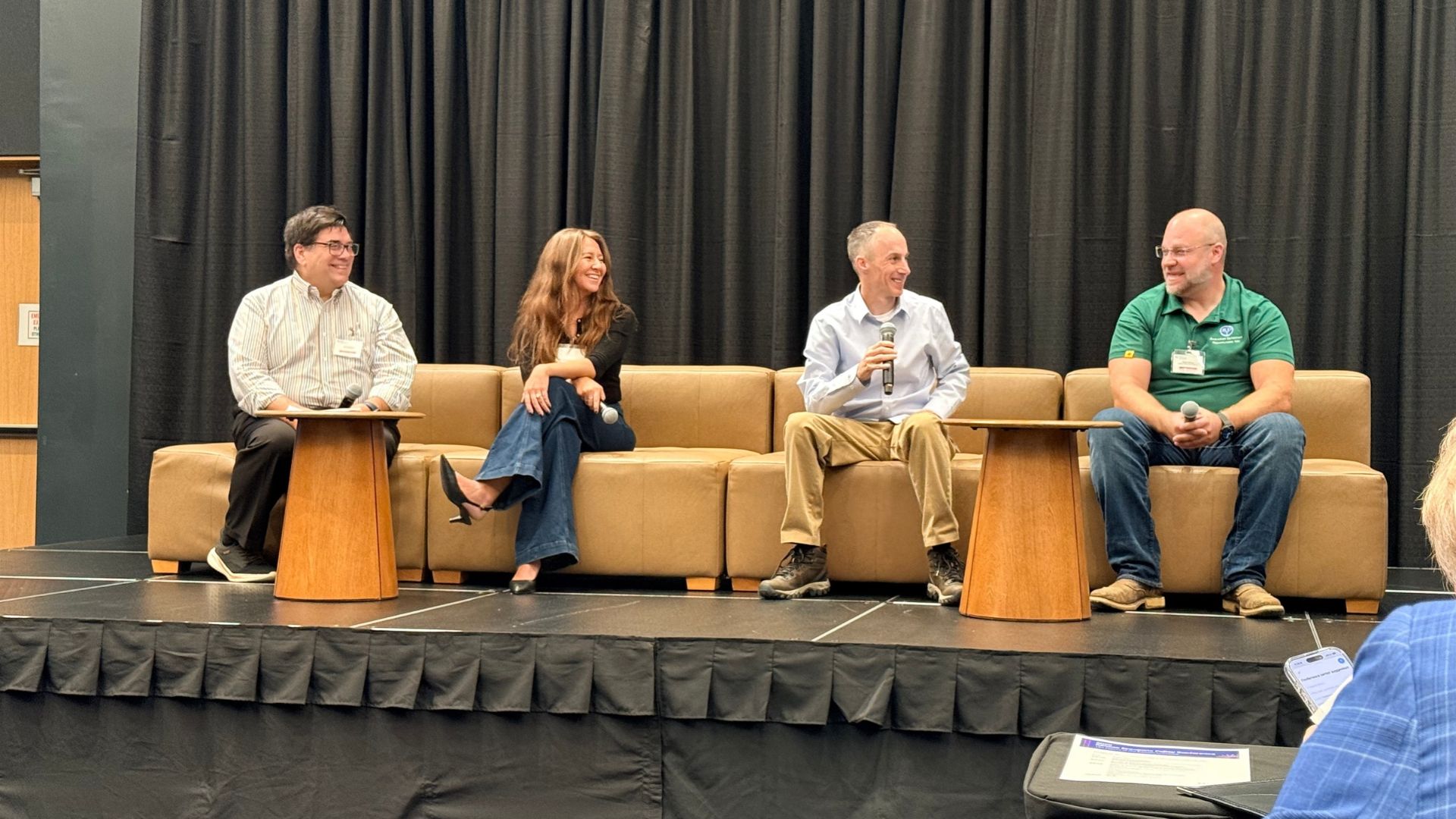
For Icorium CEO Kalin Baca, one of the advantages of building a company near KU is knowing future employees before they ever apply.
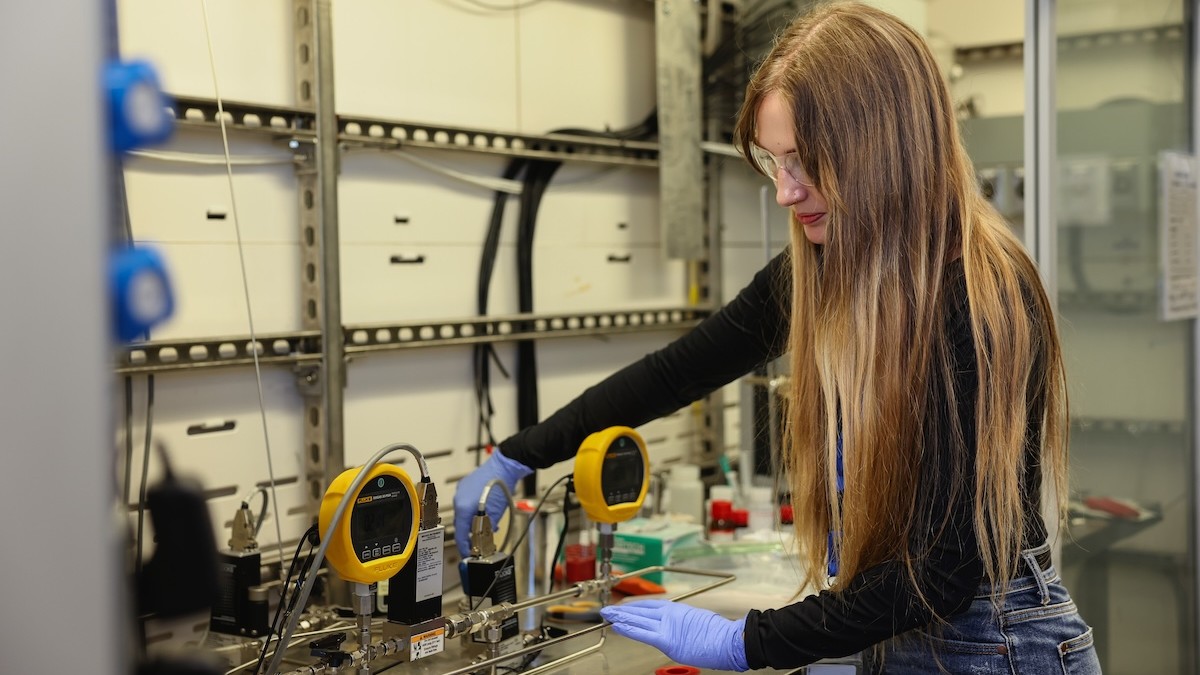
Six of the company’s seven full-time employees were KU graduates, she told an audience at the Kansas Economic Policy Conference. Icorium had worked with six of those seven as students.
“We know their experience before they’re even joining us full time,” Baca said.
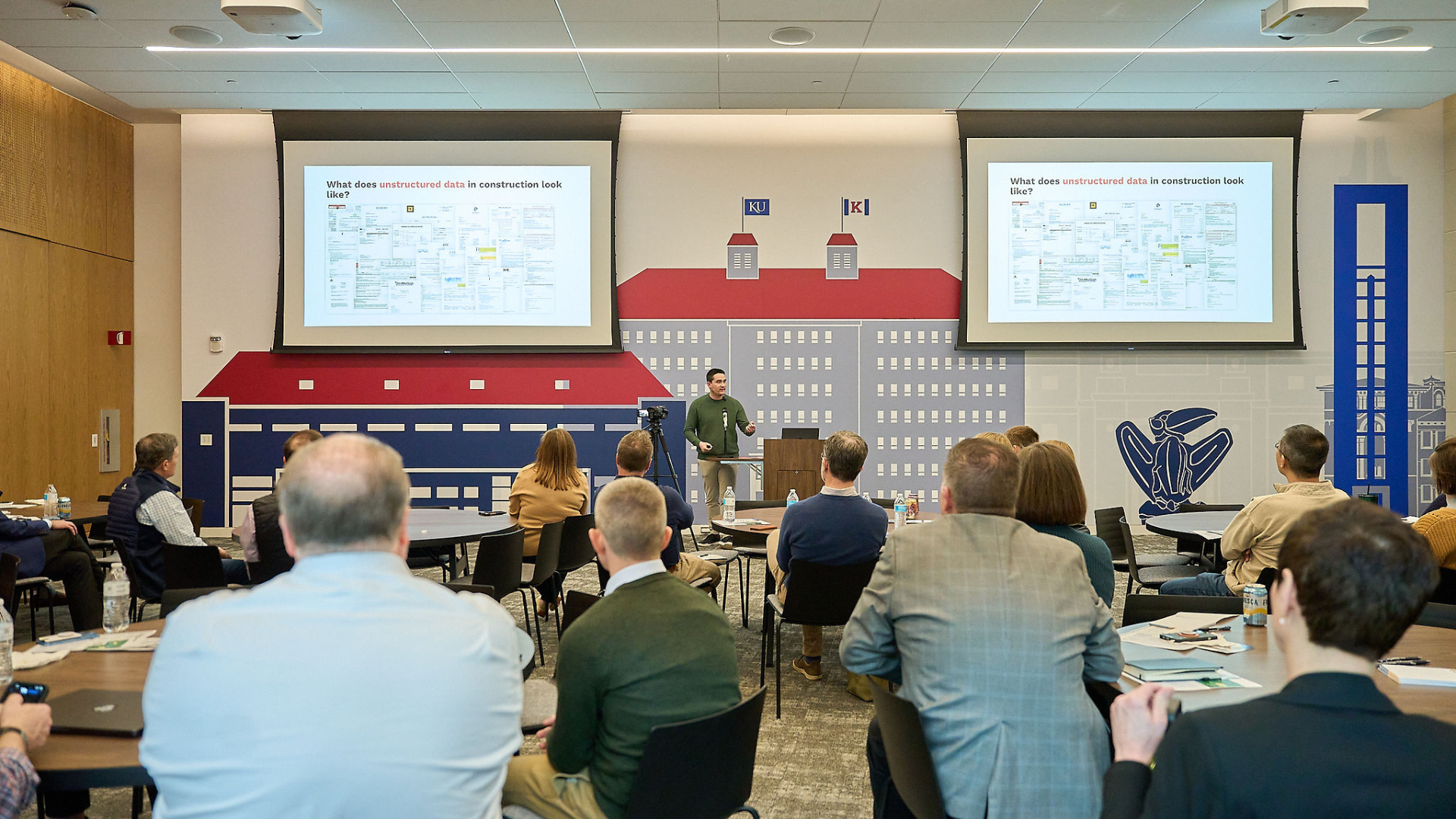
It was one example of how university connections help research-based companies grow. Baca joined fellow KU Innovation Park company leaders Jason Rogers of Invary and David Schaefer of Phoreus Biotech for an Oct. 29 panel on research and entrepreneurship at Kansas universities.
Hosted by KU’s Institute for Policy & Social Research, the conference explored the future of the Kansas economy. Their experiences brought that conversation down to the daily work of building a business.
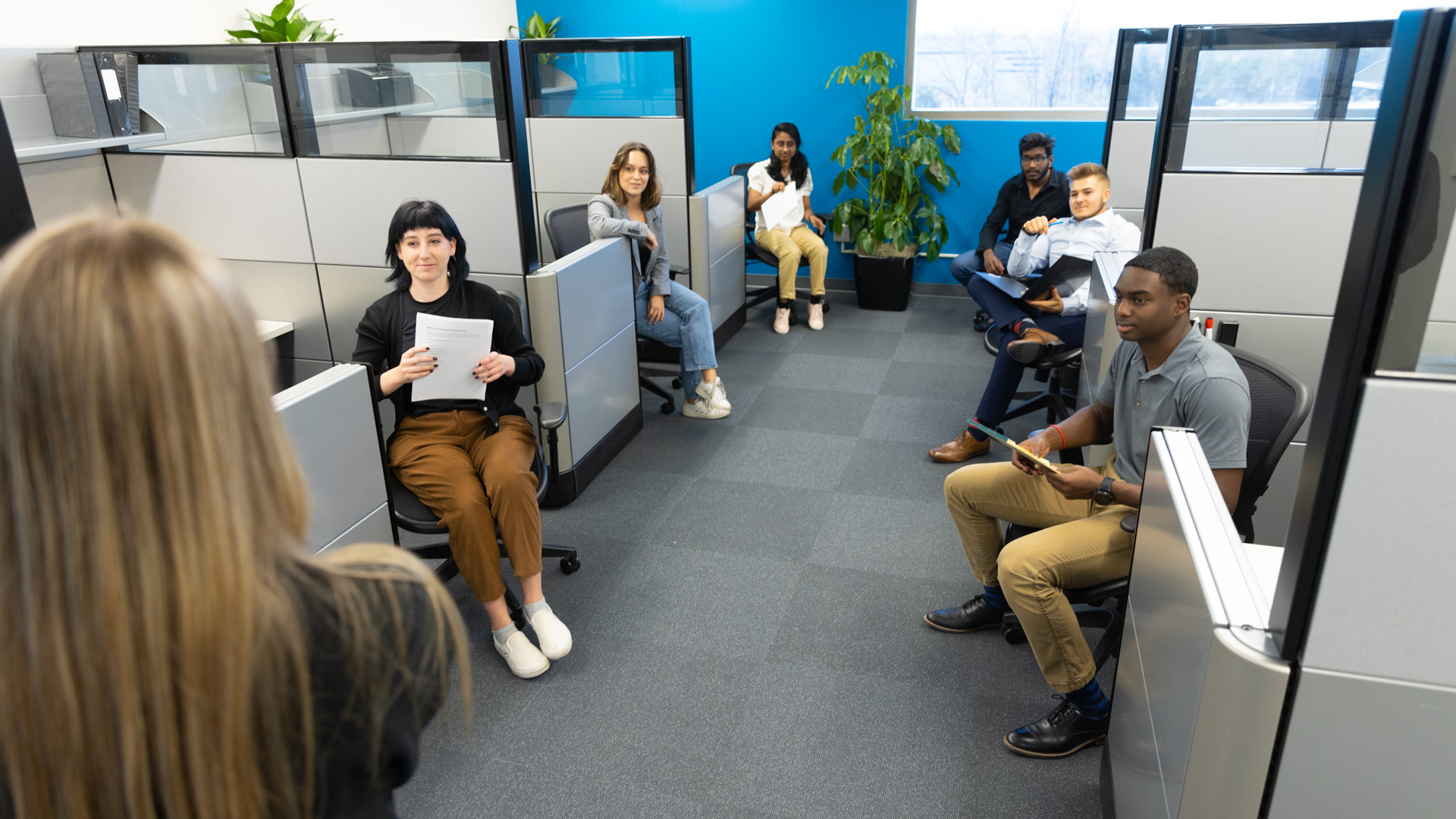
Growing talent close to home
For Icorium, internships and company-sponsored projects give students experience while helping the company build its team.
Rogers said technical fundamentals remain important as tools like AI change how companies work. So does the ability to learn, adapt and solve problems.
“You’re actually learning how to learn,” he said. “That’s the most important thing you’re doing.”
Make the connection: The Park helps companies connect with KU talent, including student interns, graduates and research collaborators.
Building a path to capital
The panelists’ funding experiences reflected the different businesses they’re building.
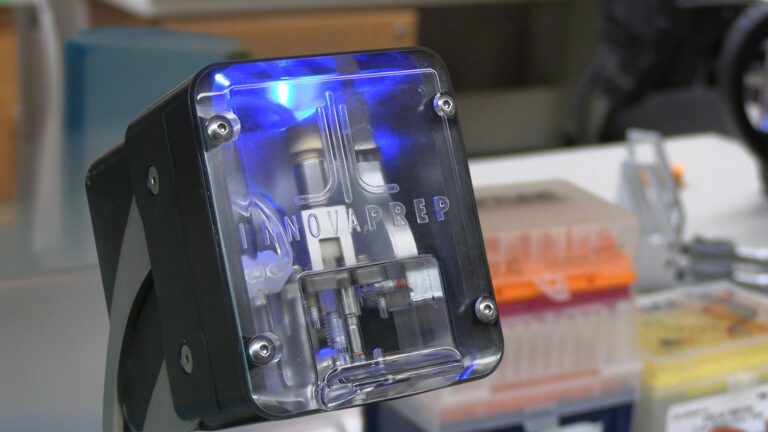
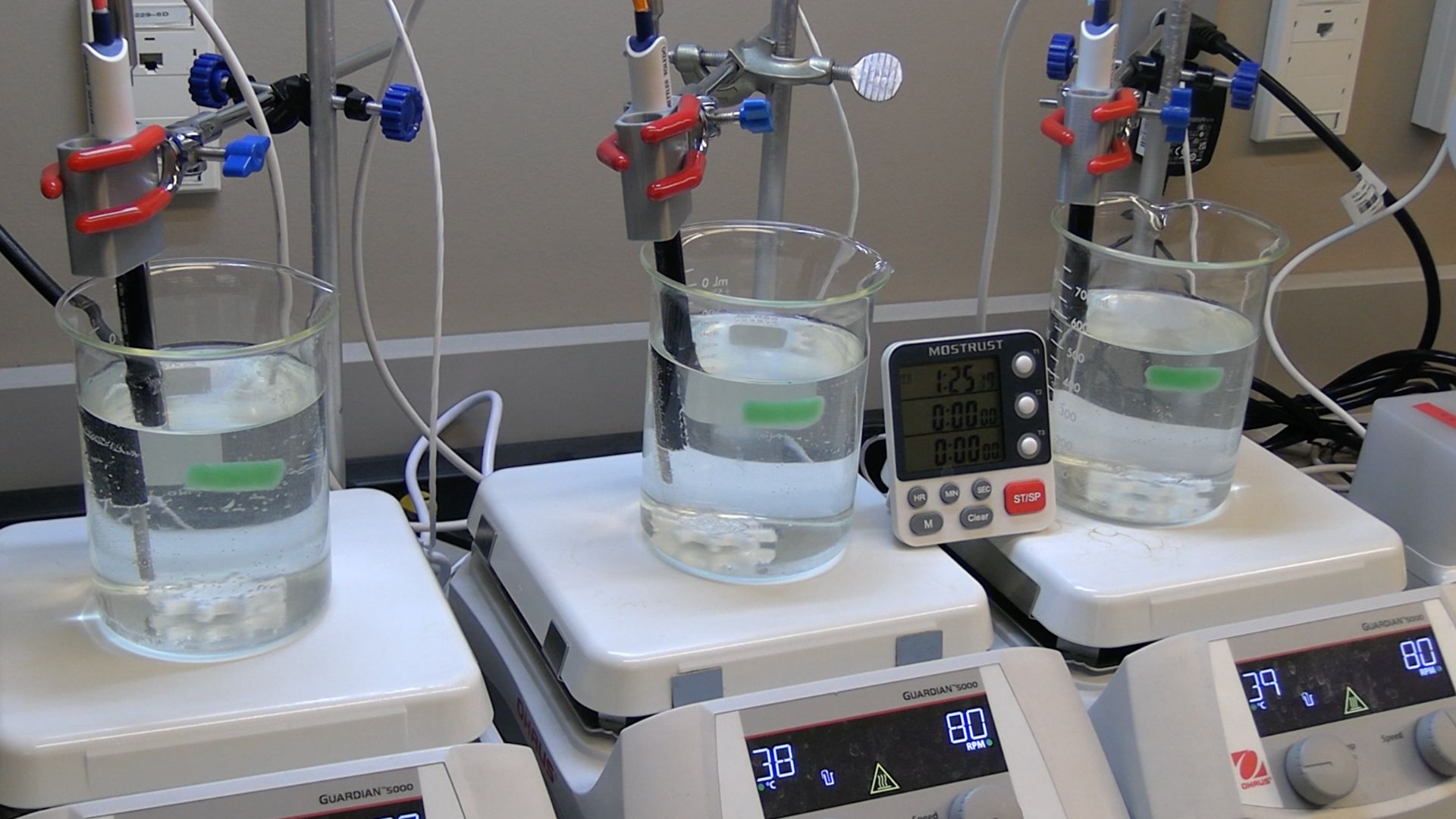
Rogers described a growing investment community supporting software companies. Baca said more than $2 million in National Science Foundation funding has helped Icorium advance its separation technologies. Schaefer called for more opportunities to introduce Kansas biotechnology companies to investors.
“We’re just asking for a little stage to show people what we have,” Schaefer said.
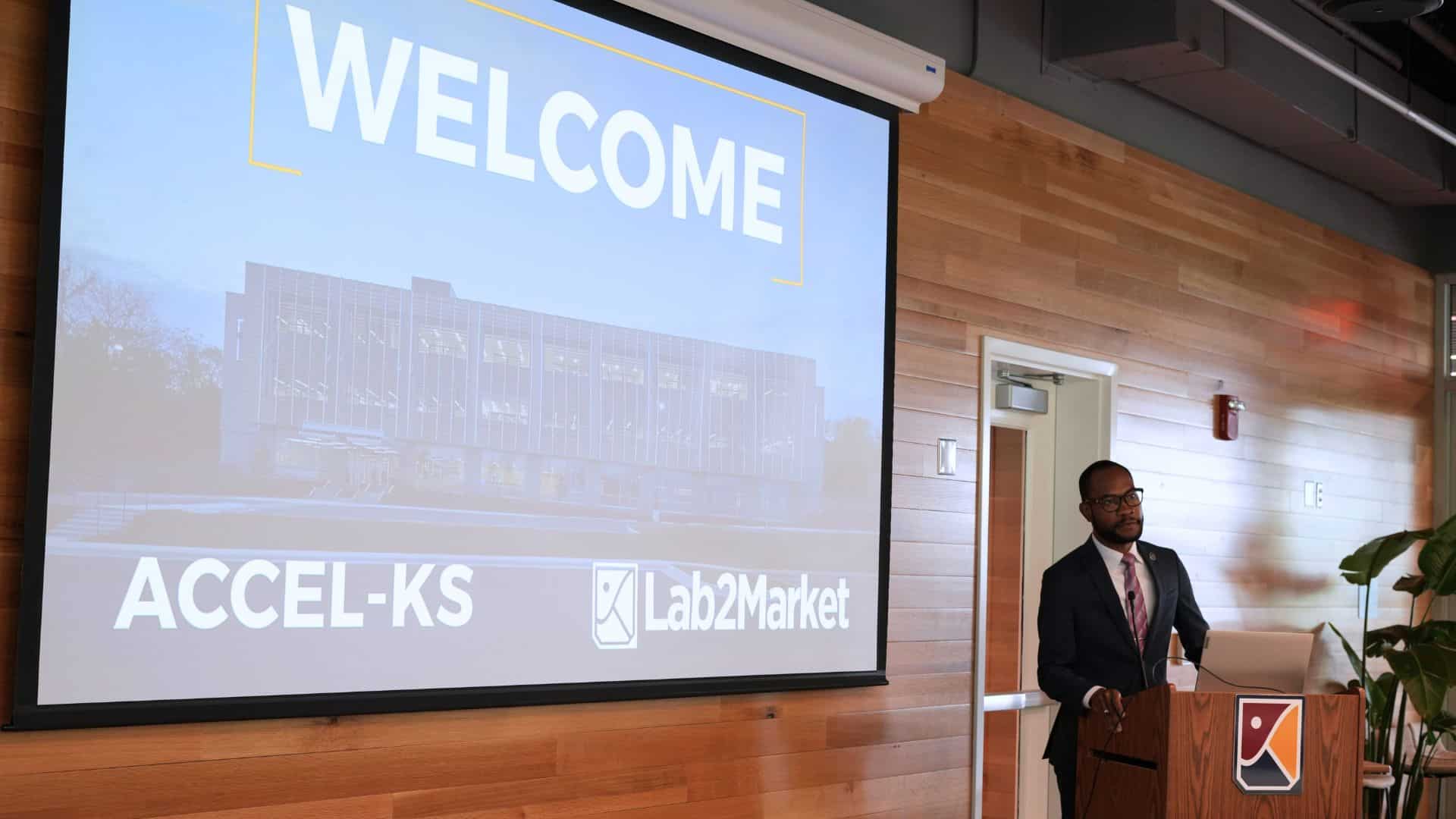
Those connections are part of the work underway at the Park. Oread Angel Investors gives KU-connected companies opportunities to build investor relationships and be considered for pitch events. Earlier in development, ACCEL-KS pairs proof-of-concept funding with commercialization support.
Explore the options: The Park’s Kansas Commerce resource guide offers a starting point for understanding available funding and business support. Check individual programs for current application windows and requirements.
More than a place to work
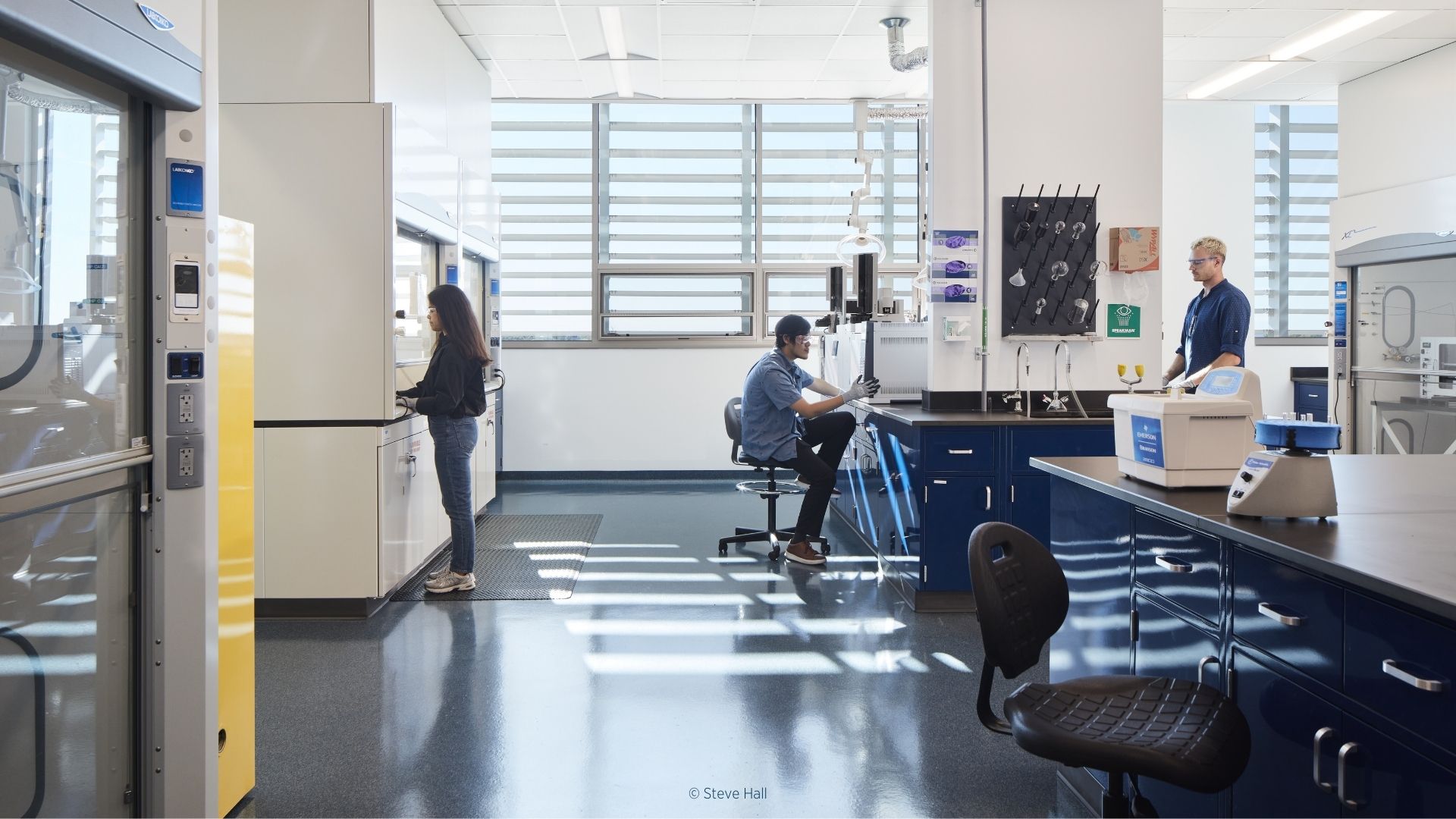
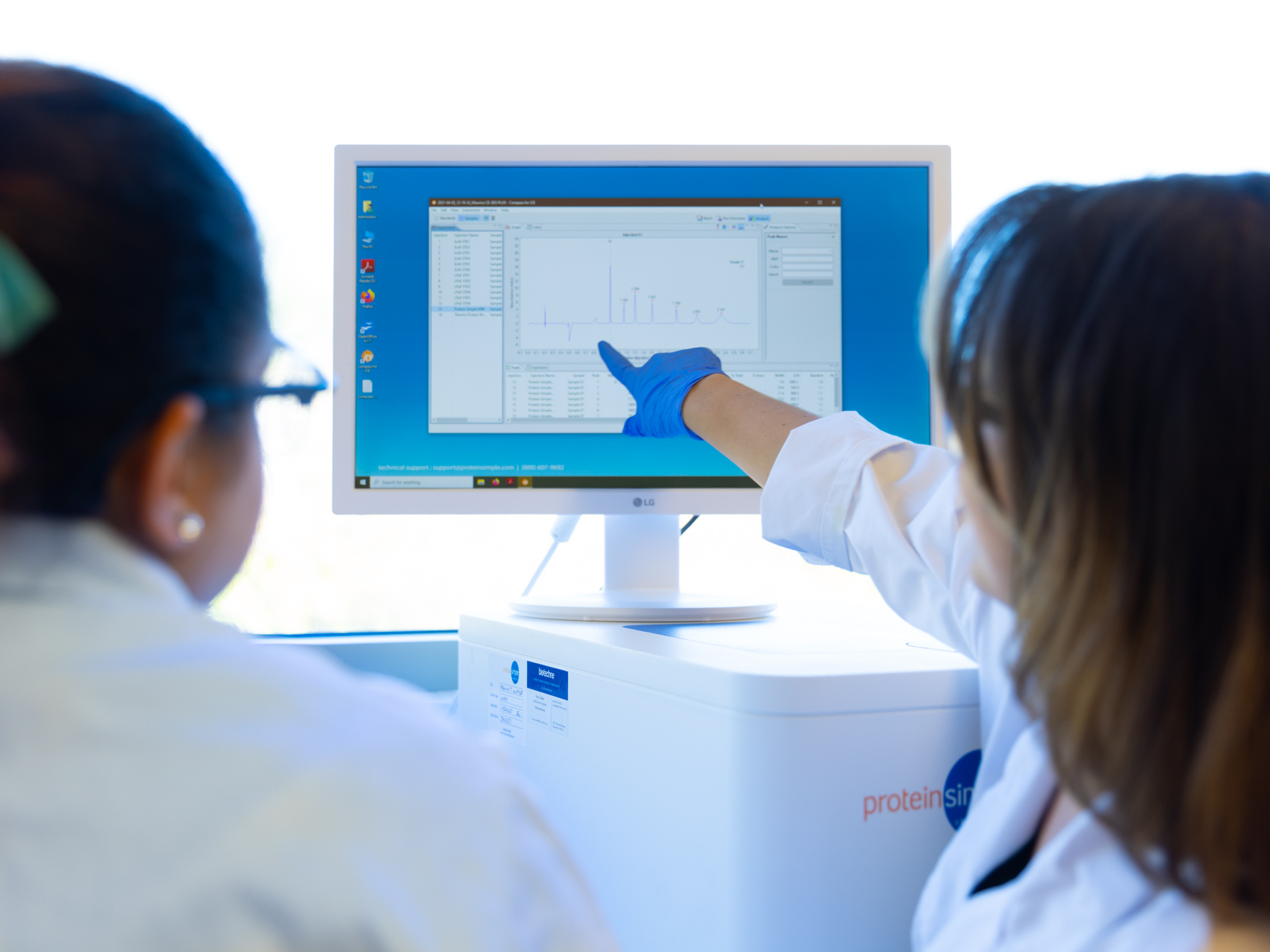
Schaefer described a recent project that required flow cytometry analysis on equipment Phoreus couldn’t afford to purchase. Access to a KU core laboratory made the work possible. The people running the instrument helped make sense of the results.
“The people that work in that lab know their stuff, and they became collaborative parts of our project, and are helping us understand the data,” he said.
For Schaefer, that experience illustrates the value of being at KU Innovation Park.
“It’s great lab space, and you’ve got a community of people that you can meet and work with,” he said.
Find the expertise: KU’s core research laboratories work with university researchers and industry partners. Lab directors can discuss equipment, services and project needs.
For a company working to determine where its technology can make the greatest difference, those relationships matter. “Getting that expert counsel on where to focus is invaluable,” Schaefer said.
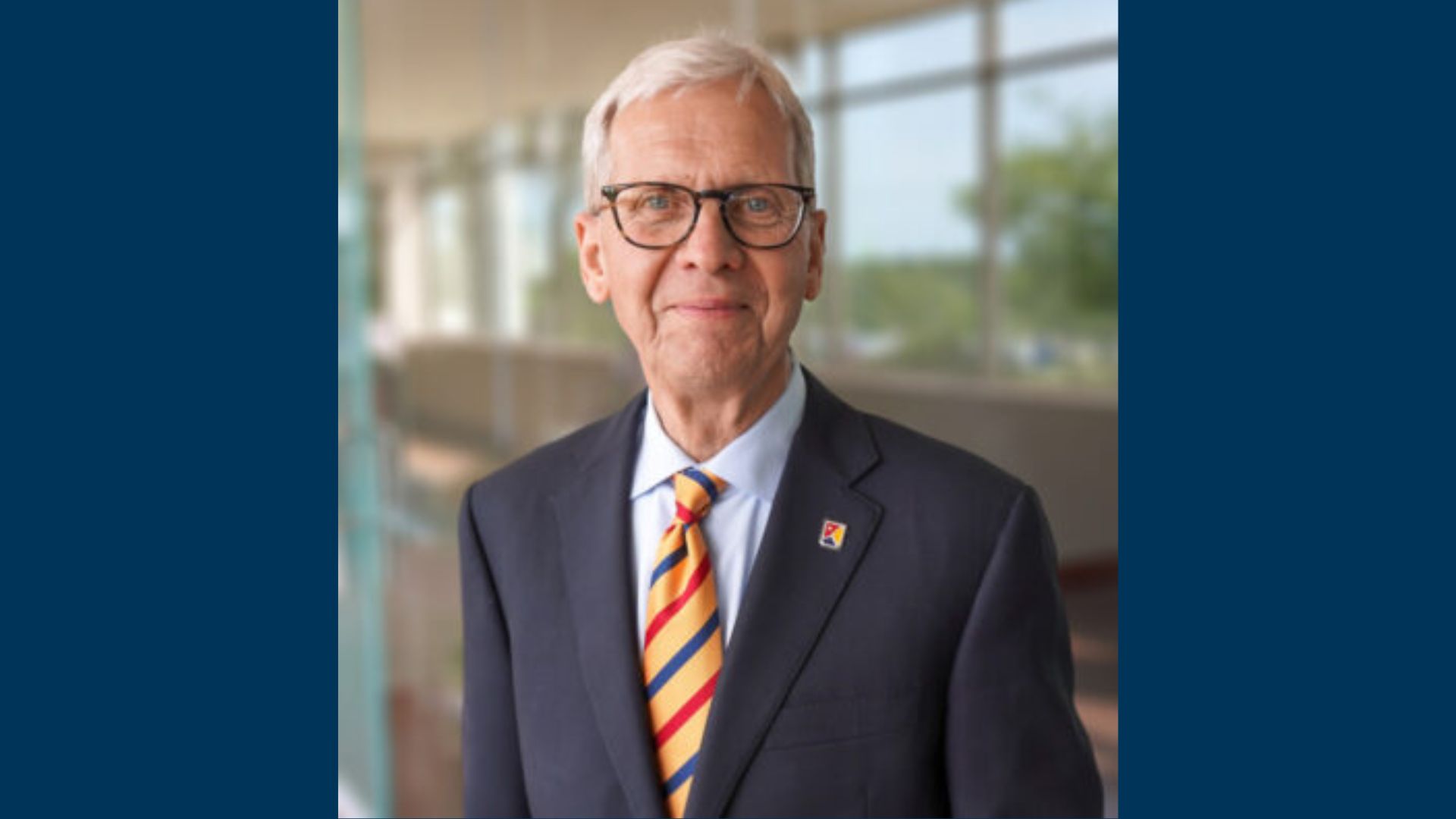
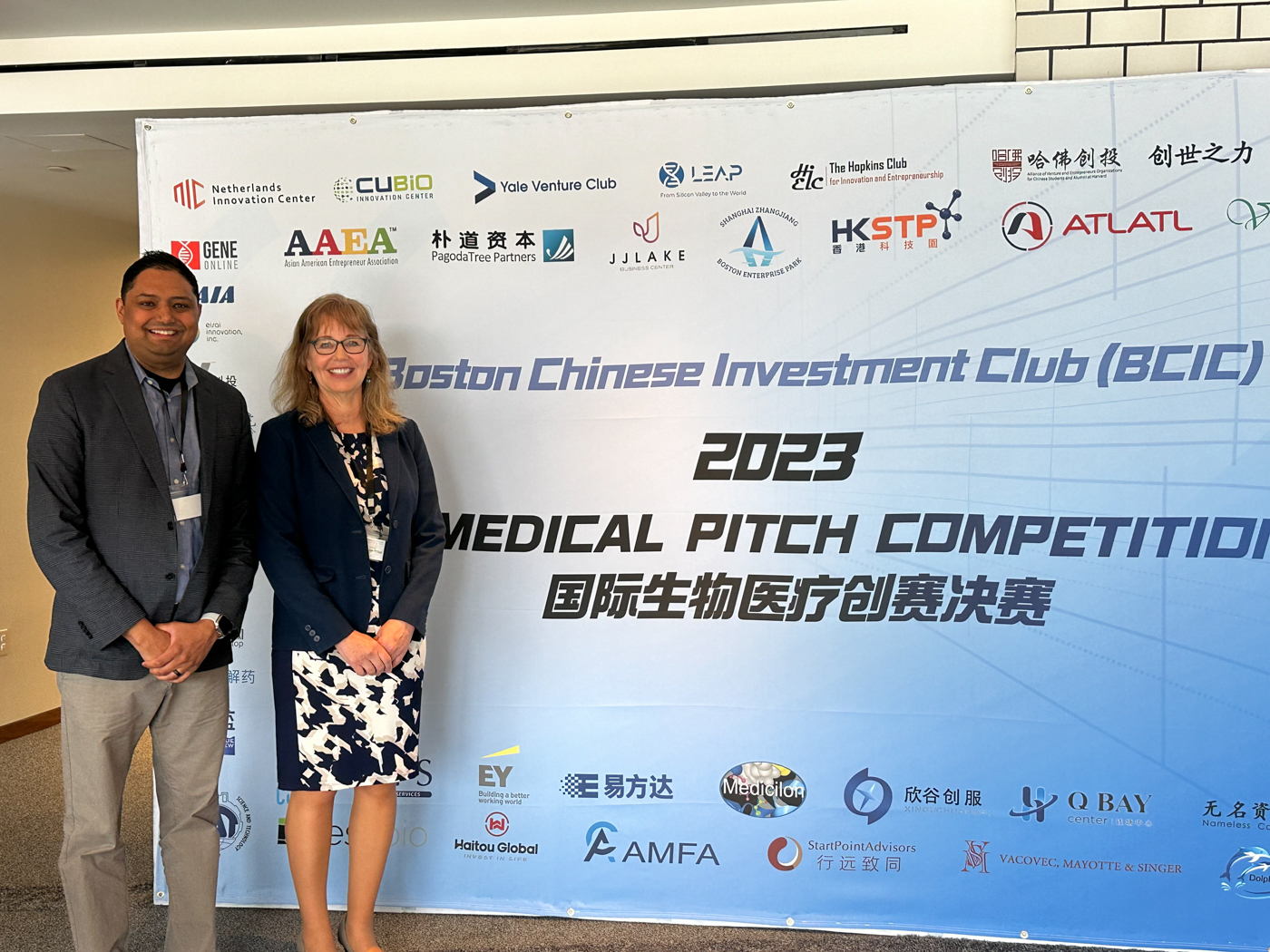
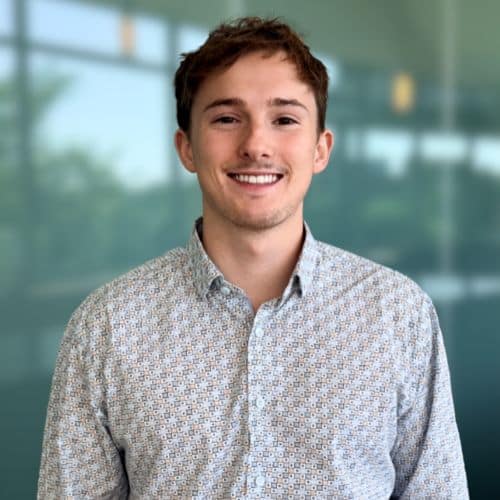
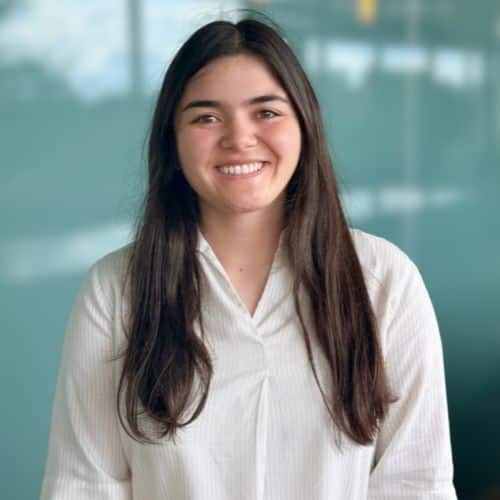
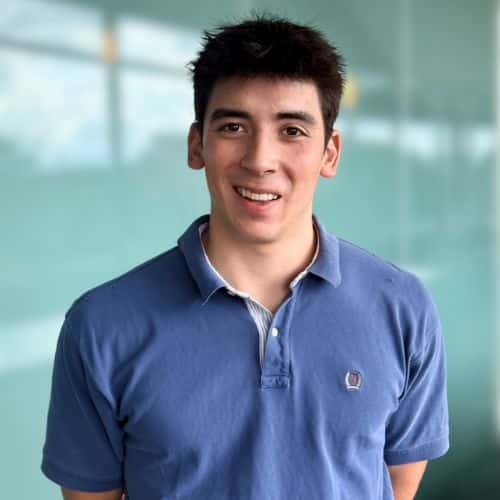
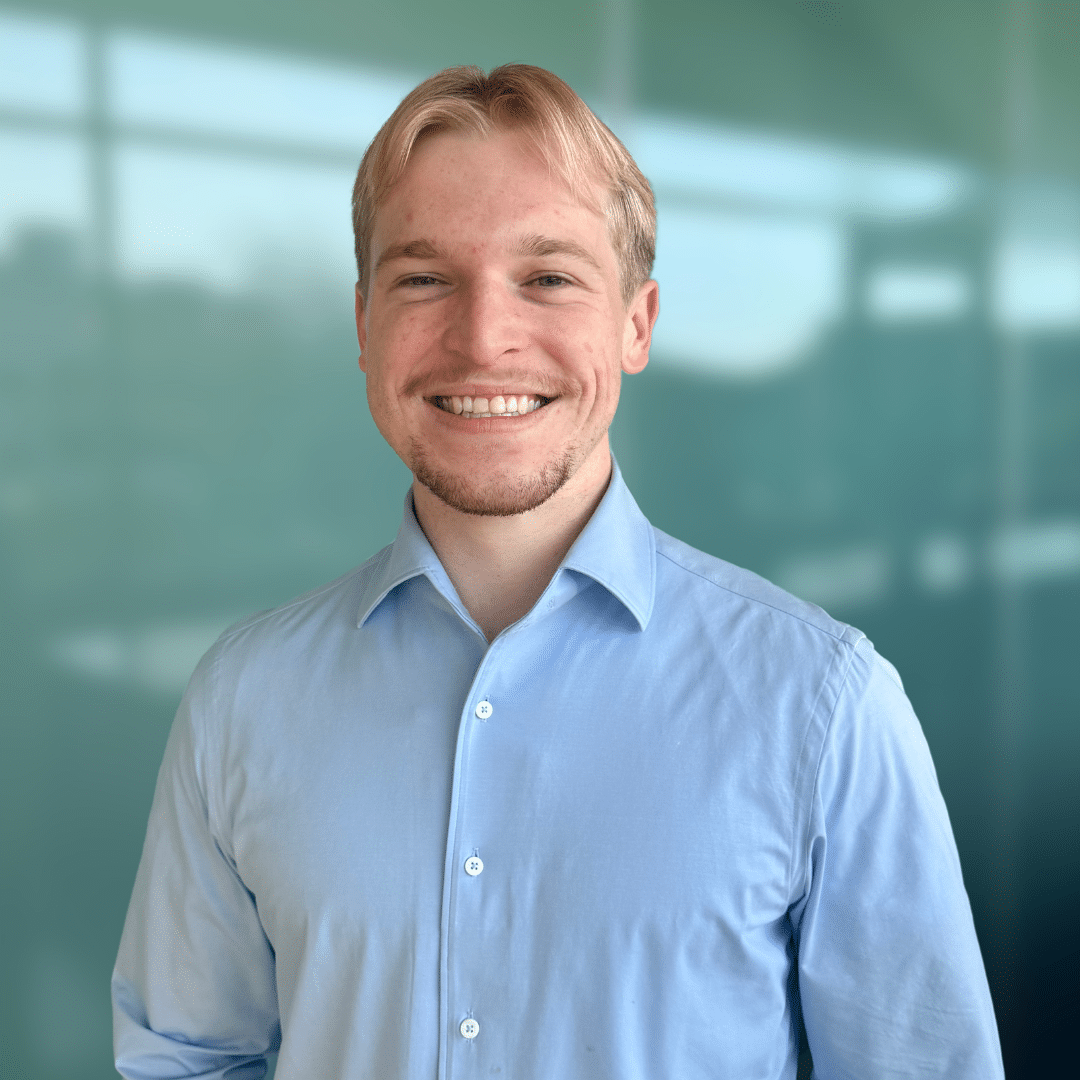
Photo (from l to r): David Schaefer, Kalin Baca, Jason Rogers, Steven Bellinger, CEO/Owner, Radiation Detection Technologies